Welcome to the official blog documenting student public outreach projects for Anthropology 470B/570: Public Archaeology at Southern Illinois University Edwardsville
We are proud to share our projects with you and encourage your respectful questions, comments, and suggestions for ways we can share and collaborate with you, the public, in the future.
Please read through all of the following blog posts and view all nine student projects for Fall 2019.
Scouting presents a great opportunity for archaeologists to plan and implement outreach events for youth. Already, the Boy Scouts of Greater St. Louis (BSGSL) extend to its members many archaeological-themed events and programs. Girl Scouts of Southern Illinois (GSOFI), however, lacks sufficient opportunities for its members to engage in archaeology. Unlike BSGSL, it does not promote its archaeology badge at badge earning events, partner with local archaeology organizations, nor offer any archaeology themed programming. These inadequacies are further illustrated when comparing archaeology badges; while the Boy Scouts of America offer, at the national level, an Archaeology Merit Badge which requires learning about the craft of archaeology, hands-on archaeological experience, and career research, GSOFI has a council-level archaeology badge that requires minimal effort to earn and does not incorporate legitimate hands-n experiences or career applications, nor facilitate an adequate understanding about the discipline itself. This project involves both the creation of a specific outreach event for both the Boy Scouts of Greater St. Louis and the Girl Scouts of Southern Illinois, as well as the broader goal of improving overall archaeological curriculum offerings within the Girl Scouts of Southern Illinois’ program.
Background
As a lifelong Girl Scout, I knew that I wanted my project to allow me to work with and give back to the Scouting community. Last year, I became involved with BSGSL’s STEM University as the Archaeology merit badge instructor. This responsibility involved creating and implementing a day-long curriculum that aligned with the merit badge’s requirements. As I had volunteered again to teach at this year’s STEM University, I decided to incorporate this outreach event as part of my project. This time, equipped with a better knowledge of public archaeology, I decided to incorporate pre- and post- event evaluations to help understand how successfully my program disseminated information. Evaluation is of the utmost importance in public archaeology; Ellenberger and Richardson (2018) state that the “only way to know if archaeological outreach and community engagement are working is to ask stakeholders” (65) and argue that this understanding of our outreach work leads to better programs in the future.
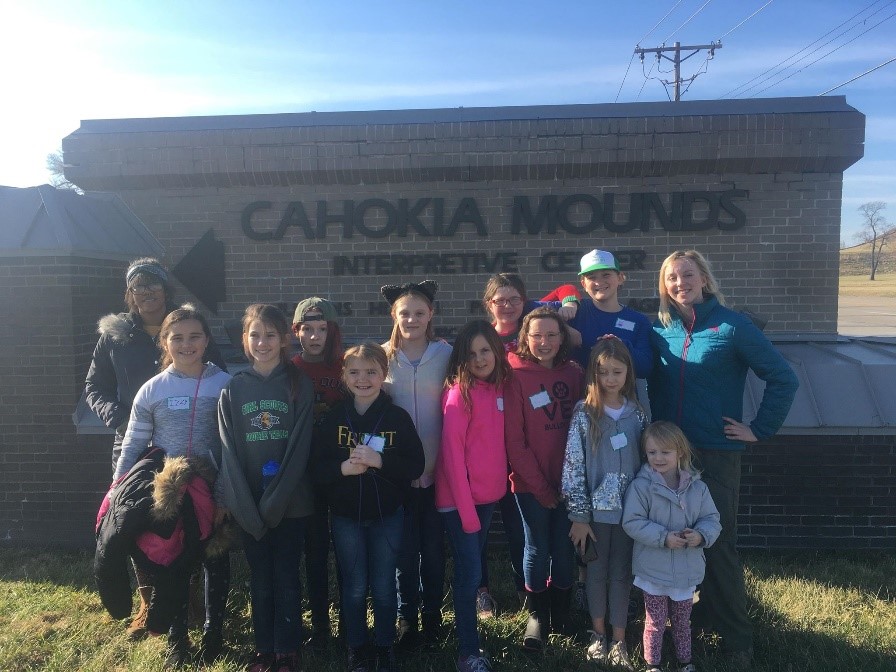
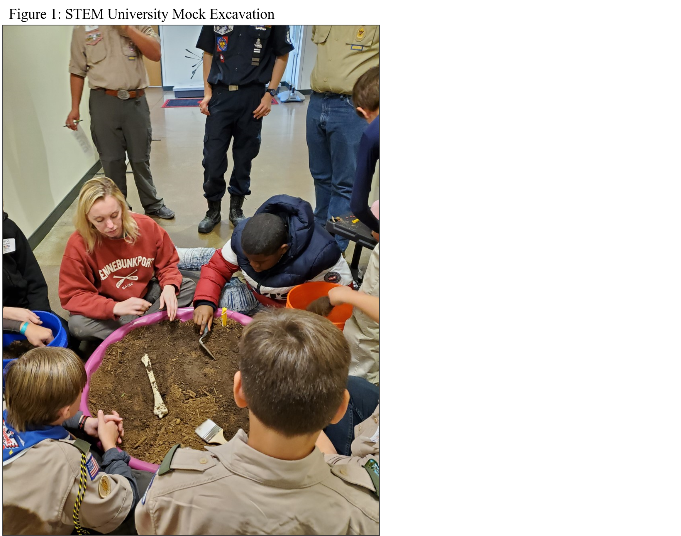
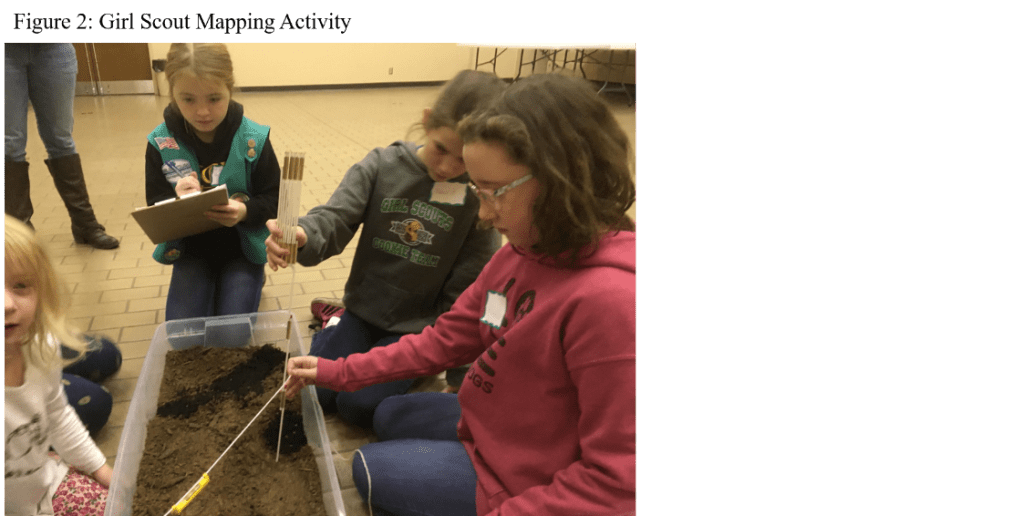
I also decided to partner with GSOFI to offer a similarly structured small-group archaeology day at our local archaeology site, Cahokia Mounds. Both programs intertwined a variety of hands-on activities and group discussion problems with instructional lecture. Henson (2017) stresses the importance of recognizing the assortment of students and their interests and learning styles, and appealing to this diversity by offering a wide variety of activities. The Florida Public Archaeology Network (2008) provides an extremely helpful guide containing activities that allow educators to do just that. It was also my goal to offer simulated practical archaeological experience at both events. At STEM University, this took the form of a small scale mock excavation (Figure 1). With the Girl Scouts, various constraints inhibited a mock excavation, but I was still able to bring in a small mock ‘site’ and practice feature mapping and soil descriptions (Figure 2). Chrislom et al. (2007) illustrates the importance of mock excavations and similar practical experiences in their article, stating that such activities involve and engage participants with the artifacts and site features, facilitates interpretation of artifact context, and, perhaps most importantly, allows participants to more thoroughly understand the practice of archaeology.
Finally, the one of the future goals of this project includes designing a more adequate local archaeology badge for older-aged Girl Scouts. Stewart et al. (2017) and Bevill (2003) provide invaluable information for this process. Stewart et al. (2017) lists considerations when designing a badge, including a) properly differentiating the badge’s purpose and requirements from pre-existing badges, b) demonstrating to potential badge earners how the badge can be used to fulfil other, larger requirements within the Girl Scout award system and c) including a comprehensive guide with resources, instead of just listing requirements. Bevill (2003) echoes these sentiments, and also emphasizes the success of such badge and patch programs in career recruitment.
Summarized, the goals of this project are to a) provide archaeology events for the local Scouting communities, b) mitigate the deficiency in archaeology programming between BSGSL and GSOFI, and c) adequately evaluate my programs.
Methods
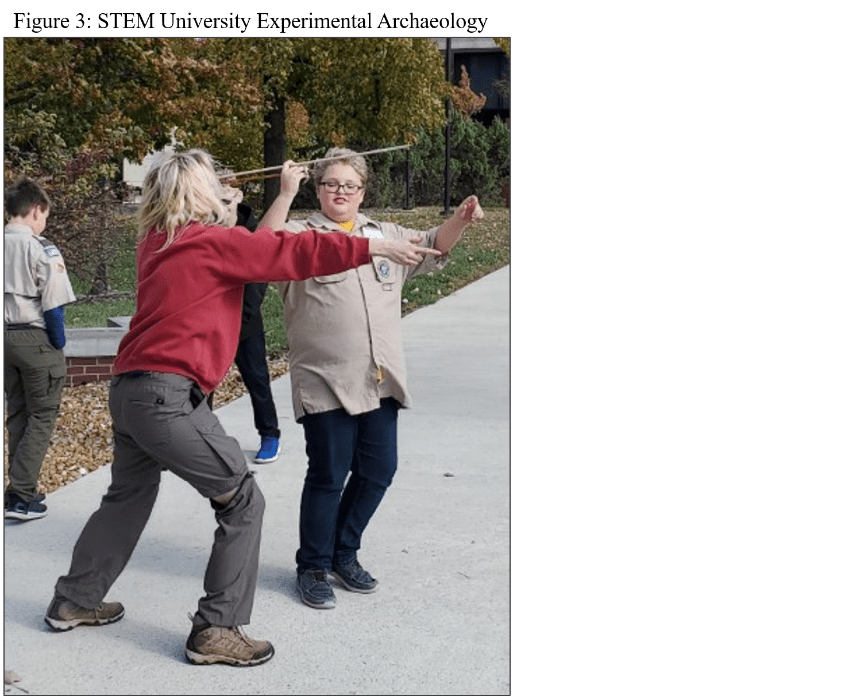
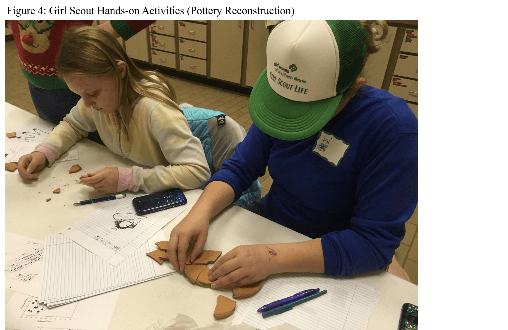
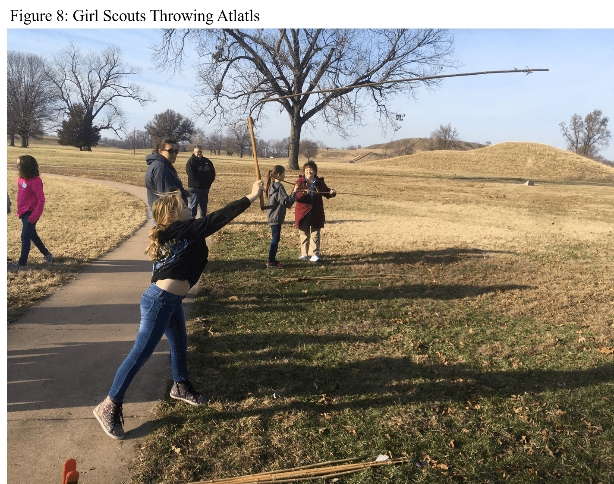
For STEM University, the first half of the program was devoted to an archaeological lecture with several hands-on activities dispersed throughout the session. Lecture topics included defining archaeology, basic excavation methodology, and archaeological laws. Hands-on activities included interpreting aerial photos, creating a stratigraphy snack, and attempting to piece together a broken pottery vessel. The second half of the program was even more hands-on. This portion began with experimental archaeology (Figure 3), in which students threw atlatls and designed an experiment to test atlatl effectiveness. This portion also included a mock excavation (Figure 1), which incorporated soil testing, mapping, note taking, feature/layer identification, and screening.
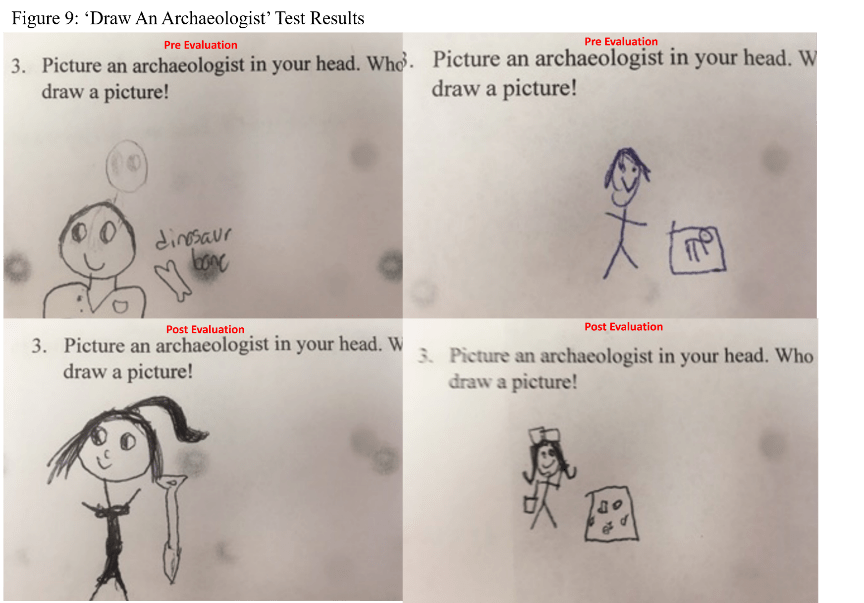
For both events, I included a before and after examination to evaluate the effectiveness of the program. Most questions were close ended questions, and were meant to enable quantitative analysis. Some questions, however, were broad and open-ended. With the Girl Scout evaluation, I also asked participants to draw what they pictured when they thought of an ‘archaeologist’.
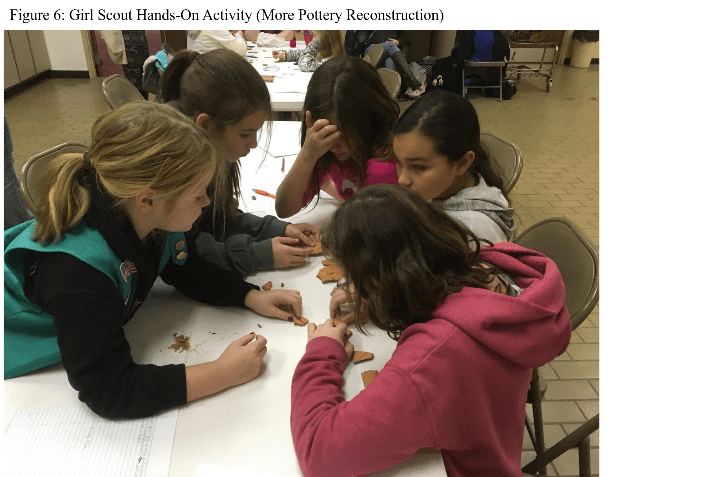
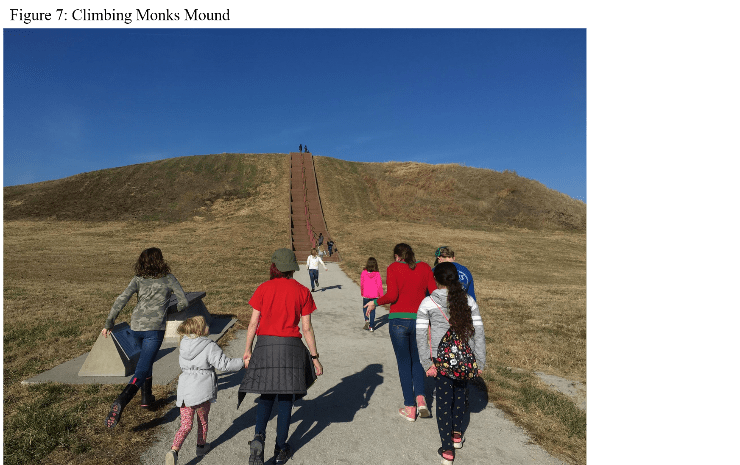
The Girl Scout event was structured slightly different. The morning session was still focused on discussion and activities. However, as I was not constrained by badge requirements, was speaking to a slightly younger audience, and was without a projection system for PowerPoint slides, I focused more on the activities and the group discussion than on the lecture. It included all of the activities offered in the STEM University lecture (Figures 4,5,6), as well as the site mapping simulation. Additionally, I tried to offer more data interpretation activities in order to showcase how STEM is archaeology and to make this even more STEM focused. To align with typical Girl Scout programming, I also decided to include a creative component in which participants were given two ‘artifact assemblages’ of (very random) modern household items and asked to, from the lens of a future archaeologist, create stories about the populations who used these artifacts. The second half of this program included supervised free-time to explore the interpretive center, climbing Monks Mound and touring the site (Figure 7), and throwing atlatls at targets (Figure 8).
Results
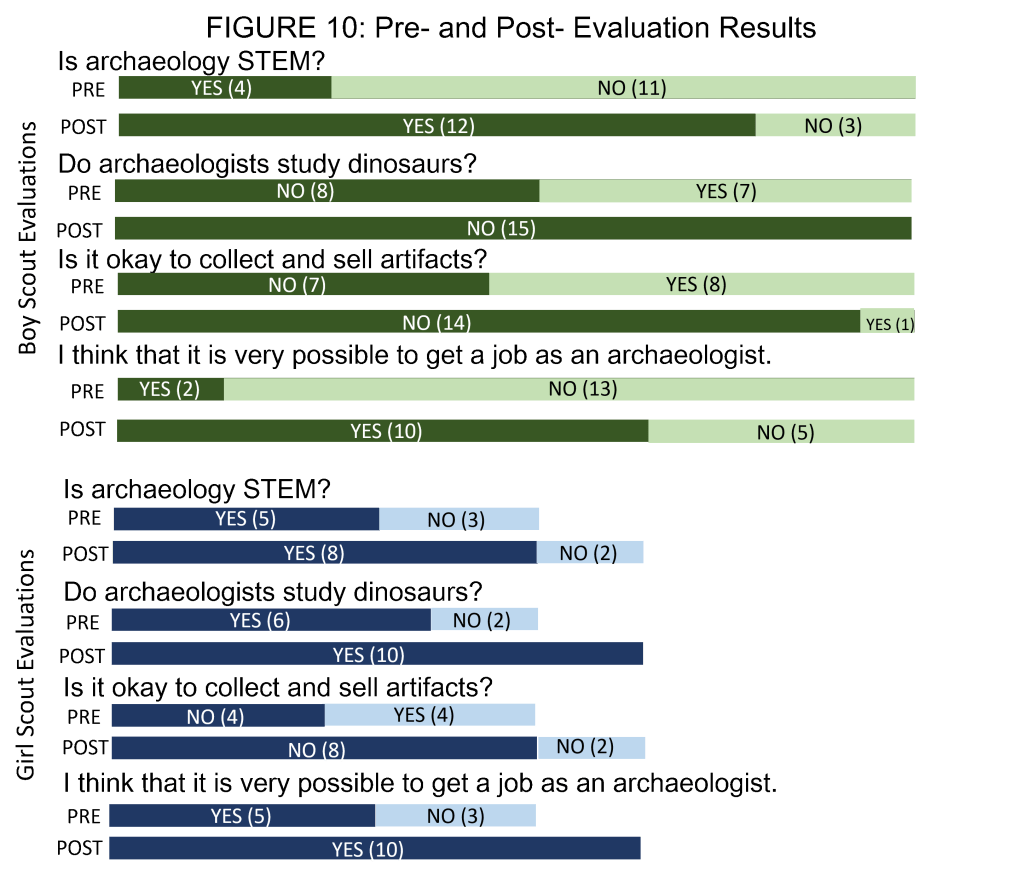
I had 15 Boy Scouts and 10 Girl Scouts attend my events. When asked, “What do archaeologists do?” only ~17% of the pre-test answers, across all events, included anything outside of excavating, while, in the post test, 68% of answers included something other than ‘digging’ or ‘finding artifacts’. When the Girl Scouts were asked to draw their idea of an archaeologist, only two participants drew a clearly feminine figure in the pre-event evaluation. However, in the post-event evaluation, two students had changed their depictions to feminine figures, resulting in a final count of three female archaeologist pictures (Figure 9). Results of the close-ended questions for both groups are detailed in Figure 10. It is important to note that two of the Girl Scout participants arrived late, and were not given the pre-test.
Conclusion
This event was able to positively change participants’ understanding of archaeology, as evidenced by the pre- and post- evaluations. Excitingly, every single participant walked away knowing that archaeology does not involve dinosaurs. Similarly, as demonstrated by the survey results, most participants had a better understanding of what archaeology entails, how archaeology is STEM, and artifact collecting ethics. The most rewarding result, however, was the inclusion of more female archaeologists in the ‘draw an archaeologist’ question. This result stresses the importance of diversity representation in all fields—if children meet and interact with diverse peoples in a particular field, their conception of what an individual within such a field could be might change.
Overall, I learned a lot about the misconceptions surrounding our field, as well as how to confront these misconceptions. I also learned which activities worked best for this age group and will be applying this to future events. In general, I think that Scouting events like these are successful, and would like to see more in the future.
What’s Next?
I am still actively working to improve archaeology offerings for GSOFI. I will be hosting a large, all-ages event in March. This event will include a morning round of stations (various archaeology games, crafts, techniques, etc.) modified for each age group. The second half of the day will be open to older scouts, and will include a larger scale mock excavation. As mentioned in the ‘Background’ section, I am also currently working with Girl Scouts of Southern Illinois to create an archaeology badge program for older Scouts.
as well as a large, all-ages event in March. I am also working with Girl Scouts of Southern Illinois to create an archaeology badge program for older Scouts.
Acknowledgements
I would like to thank the organizers of STEM University, especially Dr. Eric Voss, for allowing me to teach at their wonderful event.
I would like to thank Emily Stanley and Mary Buchanan at the Girl Scouts of Southern Illinois council office for allowing me to offer my own programs, for advertising my events, for providing advice for badge creation, and for working with me to cover the logistics.
Finally, I would like to thank Lori Belknap and Linda Sinco of Cahokia Mounds Interpretive Center for allowing me to use the Interpretive Center’s Education Room, helping me to plan the logistics of my Girl Scout event, providing supplies, and assisting with atlatl lessons. I would also like to thank Kenyatta Simpson for volunteering to help me run the activities for the event.
References
Bevill, Billy
2003 Nursing Exploration Patch for Youth Recruitment. Nursing Education Perspectives
24(5):222—223.
Chrislom, Amelia G., Mark P. Leone, and Brett T. Bentley
2007 Archaeology in the Classroom: Using the Dig Box to Understand the Past. Social
Education 71(5):272—277.
Ellenberger, Katharine and Lorna-Jane Richardson
2018 Reflecting on Evaluation in Public Archaeology. Online Journal in Public Archaeology
8: 65-94.
Florida Public Archaeology Network
2008 Beyond Artifacts: Teaching Archaeology in the Classroom. Florida Public
Archaeology Network, Pensacola, Florida.
Henson, Don
2017 Archaeology and Education. In Key Concepts in Public Archaeology, edited by Gabriel
Moshenka, pp. 60-72. UCL Press: London.
Stewart, Morgan, Katherine Fu, Charlotte Marr de Vries, Laura Jacobson, Jacquelyn Kay Nagel, Kathy Jacobson, and Allison Mae Hughes
2017 Engagement in Practice: A Process for Creating a New “Council’s Own” Junior Girl
Scout Badge in Mechanical Engineering. Paper presented at the Annual Conference and
Exposition for the American Society for Engineering Education in Columbus, Ohio.
Unexpected Audiences at the Intersection of Public Archaeology and Academic Museums
by Dana L.
My name is Dana Lewis, and I’m a graduate student in the Cultural Heritage and Resource Management Program at Southern Illinois University Edwardsville (SIUE) also working toward a Museum Studies certificate. My program is situated within the larger umbrella of Integrative Studies, and my personal track within the program has been focused on combining anthropology and historical studies to gain skills toward a future career in museum collection management and registration. Taking this public archaeology class has allowed me to build on my undergraduate specialization in archaeology and eke out a tiny niche of specialty within the sea of generalization that is museum registration and collections work. For this class’ final project, the stars aligned in a way they only can with an interdisciplinary program like this, and I was able to use my position as a graduate research assistant at SIUE’s University Museum as an “in” to a fascinating archaeological collection and hone my public archaeology communication skills at the same time!
As an experienced Twitter user, I came into this public archaeology project with a lot of expectations. My initial plan was to use the SIUE University Museum Twitter account to give old followers and new a peek behind the curtain of day-to-day operations of the museum, focusing on the archaeological material in our collections. Though SIUE students might be familiar with some of our artwork or artifacts spread throughout 40 buildings, many don’t know the scope of our collections, or that we have a facility on campus for storing and caring for them. I designed my project with three primary target audiences in mind that I wanted to reach, optimistic that the magic of the social internet would help me reach them: SIUE students, SIUE faculty, and the general archaeology and history-minded publics of the greater metropolitan area. Because this project wasn’t just to benefit the audiences but also the University Museum, I first had to meet up with my supervisor, Erin Vigneau-Dimick, to develop a social media strategy.
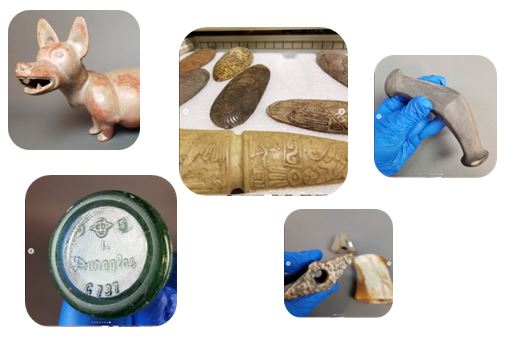
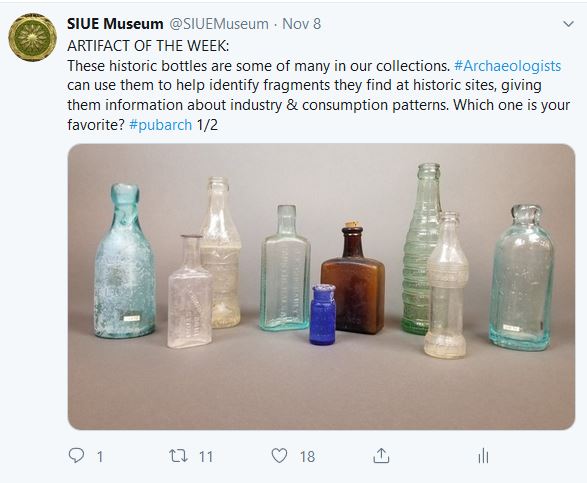
After meeting with Erin, I discovered that the University Museum had not one but three social media accounts, and that I could create posts on one platform (Twitter) to duplicate and post on the other two (Facebook and Instagram). Because of my schedule at the museum, I opted to post twice a week beginning in October for a period of about two months. The first post of the week focused on a variety of topics, from defining tricky terms and jargon that fill the archaeologist’s vocabulary to delving into why documentation and provenance matter. I also included some of the tasks I work on during my days at the museum like marking objects with their unique identification number (object ID) and creating safe and stable storage mounts for them after they’ve been cataloged. For the second post of each week, I created a fun series called “ARTIFACT OF THE WEEK” (in all caps because it’s SO EXCITING) where I highlighted a different type of archaeological artifact in our collections and gave a bit of contextual information on what they were used for and why they mattered to the culture that made and used them. Some of the artifacts featured include bannerstones, historic bottles, and a Twitter favorite, Colima dogs! Below is an example of one of these posts on Twitter.
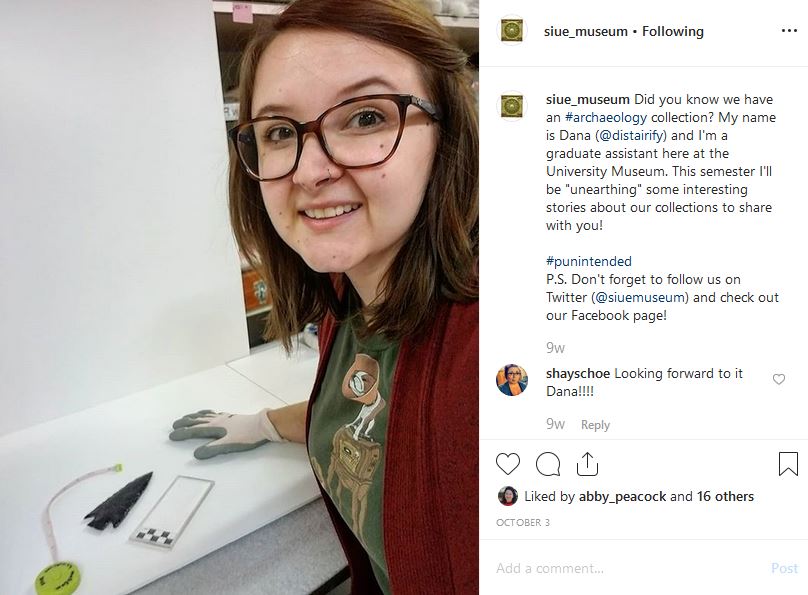
During the beginning phases of this project, I was reading a lot about the successes and failures of social media outreach at other museums. Not only is the content of the message important, but size, organization, and voice of the message matters too. As a student and not the typical administrator for the University Museum social media accounts, I wanted to make it very clear who I was and why I was posting, especially considering that these accounts were for the most part inactive prior to my “take-over.” To begin, I introduced myself with a selfie post (screenshot from Instagram this time). Here I am cheesin’ for the camera and posing with an obsidian blade and a measuring tape. Check out those gloves!
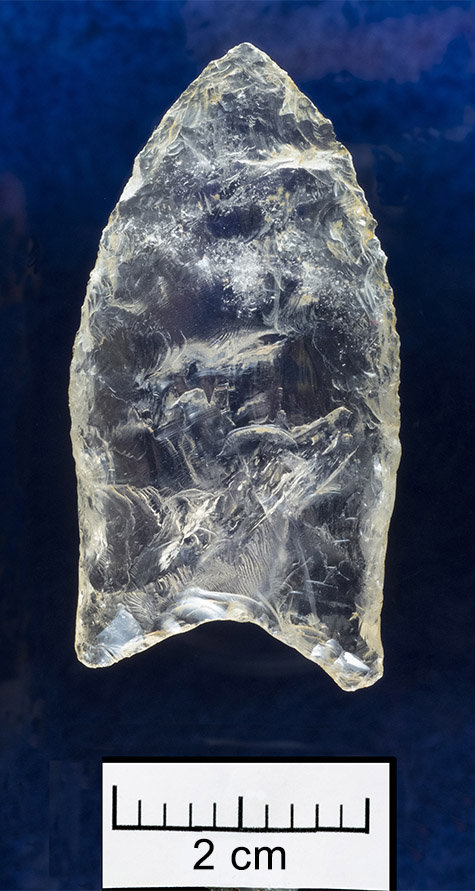
Some of the topics I wanted to cover were a little more complex, touching on ethical issues and complicated procedures. Here, the medium of the social internet presented a bit of a challenge – I needed to ease people in while at the same time being able to condense all my messages down to a very small blip of information. Inconceivable! To tackle this problem, I decided to take a narrative approach and work from the perspective of a non-expert. My first few posts were shorter, limited to one tweet or around 280 characters including hashtags, and one or two photos. After introducing myself, I explained an aspect of the first post – the gloves I was wearing – in the second, using my posts like building blocks. I reused artifacts throughout the next few posts, focusing on characteristically “archaeological” artifacts like arrowheads and other stone tools, gradually preparing my audience for something new and more complex. I think this narrative strategy worked out pretty well since I had already existing audiences on all three of the platforms that may have begun following the account for different reasons.
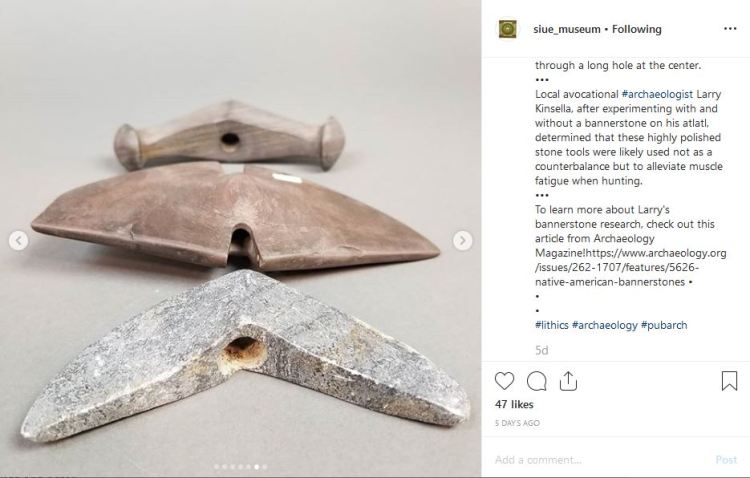
Overall, the most surprising part of this project was the audiences I wrote for. To begin with, each social media platform I used had a different audience of “followers,” driven in part by the initial posts on each platform but also the typical users of each. The University Museum’s Instagram account, for example, was started to publicize in real time the de-installation of a large sculptural artwork in the student center, as well as connect to the students and faculty of the art department. Thus, many of the followers on Instagram were artists and likely interested in the artistry, construction techniques, and visual impact of the artifacts. The most popular posts on Instagram were those featuring artifacts with interesting forms like last the ARTIFACT OF THE WEEK post, a screenshot of which is shown below.
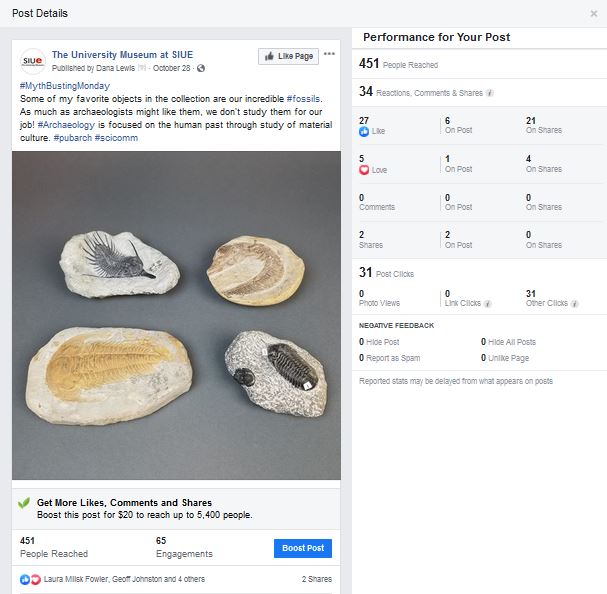
Some of the posts I expected to get a lot of attention (likes, shares, etc), such as those featuring storage mount making and the feature on historic bottles, did less well than others which I considered less interesting. My #MythbusterMonday post where I shared a photograph of some fossils while pointing out that archaeologists are interested only in the study of human material culture was actually the most popular post on Facebook (see screenshot below). Together with the varied audiences between platforms, I learned that not only did my audience have different tastes and interests than me, but my “audience” was not a monolith at all. Instead, it was comprised of many different smaller groups that, also surprisingly, didn’t totally meet my original target audiences. On Twitter, many of my posts were liked and shared by other academic museums, archaeology departments, laboratories, and archaeologists, a defined community that was likely looking to learn from another academic museum’s social media approach rather than about the artifacts themselves. Many Facebook posts were liked by community members in the Edwardsville, Illinois area where the University is located, though overall Facebook had the lowest number of “impressions” (number of times a person has seen a post whether or not they interacted with it).
To reflect and summarize, this project was a fantastic learning opportunity for me as a soon-to-be young professional in the museum field. Especially at smaller museums where there are fewer positions and thus more hats to be worn by each employee, knowing how to run a social media account (or three) is a great skill to have under my belt. Being able to experiment with this project and try to reach a few different target audiences was also a great experience. At the end, through a total of 17 original posts, I was able to grow the following of each of the University Museum social media accounts and on Twitter had a total of over 22,000 “impressions” from all posts. I’m excited to see where the University Museum social media goes next, since there’s still plenty of opportunity for exploration and future projects (graduate or undergraduate) using the collections not just for archaeology but history, art, and museum studies as well. As for me, I’m looking forward to using just my own social media accounts for a while – those cat pictures won’t post themselves!
Thanks for reading to the end of this post! This project would not have happened without support from Dr. Susan Kooiman, public archaeology professor extraordinaire; Erin Vigneau-Dimick, Executive Curator of the University Museum; and Dr. Laura Fowler, Director of the Museum Studies Program and manager of the program’s social media pages. Dr. Fowler was great enough to share almost all of my posts on Twitter and Facebook which certainly added to the success of this project.
Finally, please check out the SIUE University Museum’s social media accounts for yourself! Give them a follow or a like to see what the museum will be up to next and hopefully learn something new about our collections. Facebook: The University Museum at SIUE Twitter: @siuemuseum Instagram: @siue_museum
For the majority of the discipline’s history, archaeologists sat atop an ivory tower of elitism and non-engagement; cut off from the general public in their own intellectual pursuits. However, since the turn of the century, we have seen this attitude in the field shift towards an approach that rejects the idea that archaeologists hold all scholarly authority of the past. Unfortunately, the climb down from the tower doesn’t always go smoothly. Much of the public’s perception of archaeology is riddled with misinformation, stereotypes, and the overall impression of archaeologists as colonial tomb-raiders or dull, stuffy professors (Moshenska 2017).
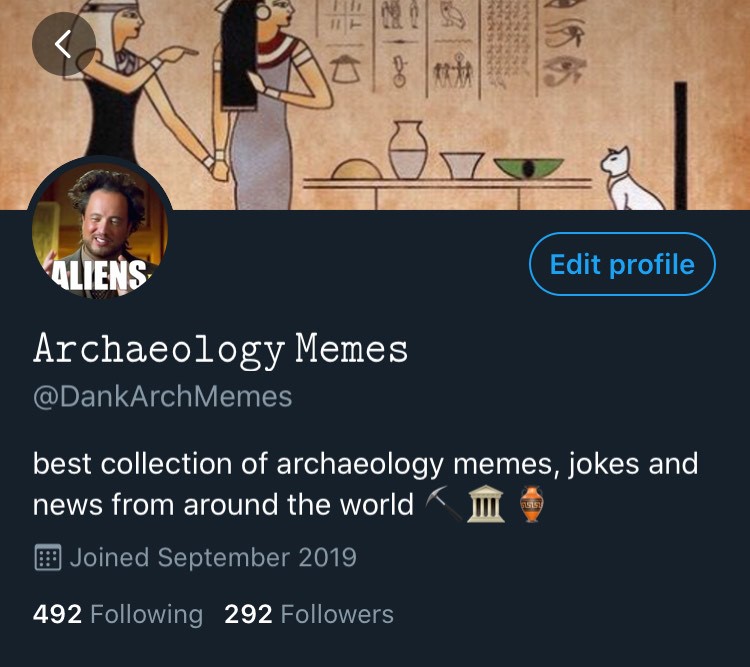
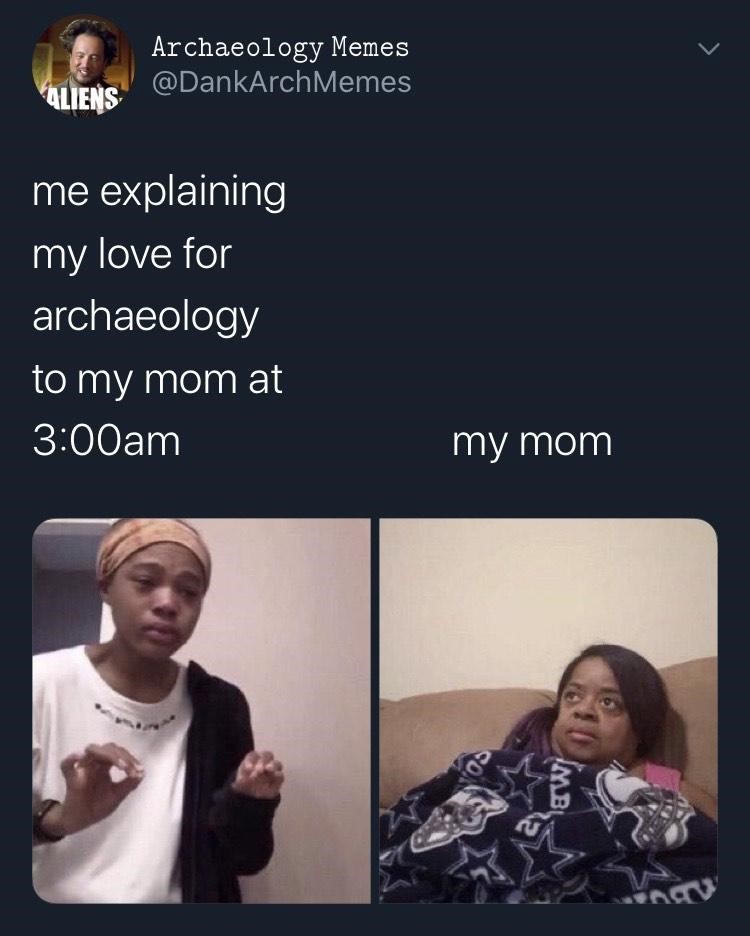
What better way to dispel these perceptions than through humor? Humor serves as a socially inclusive mechanism which allows the audience’s view of archaeology to not be seen as elevated above themselves. (Sinanan 2017). Using humour to dispel the ivory tower image of archaeology encourages the public, and archaeologists themselves, to view archaeology is a more modern and unpretentious way. Thus, @DankArchMemes was born!
A focus on creating and posting archaeology-related internet memes was chosen because visual images are fundamental to “people’s experience of the world around them” (Miller 2016). Memes are also an important part of the internet culture that many younger generations are a part of; they allow for form of “social bonding” between individuals (Zappavigna 2012). Humour is a complex, contradictory and progressively changing concept, but it can serve as a tool to build relationships based on a shared social code (Swinkels and Koning 2016).
This particular project used Twitter as the social media platform because use of visual postings on Twitter is mainly young adults (Miller 2016). The use of these visual images and posts were aimed at increasing the number of younger adults and teenagers who are influenced by archaeological information, themes, and theology. The goal was not to convince younger people to become archaeologists, but rather to use this education and engagement as an “agent for change from incidental interest to informed interest” (Clarke 2004). Engaging young people can cultivate the next generation of public supporters (or even students) of archaeology, and using the imagery and social media platforms that they are familiar with is the best way to reach them.
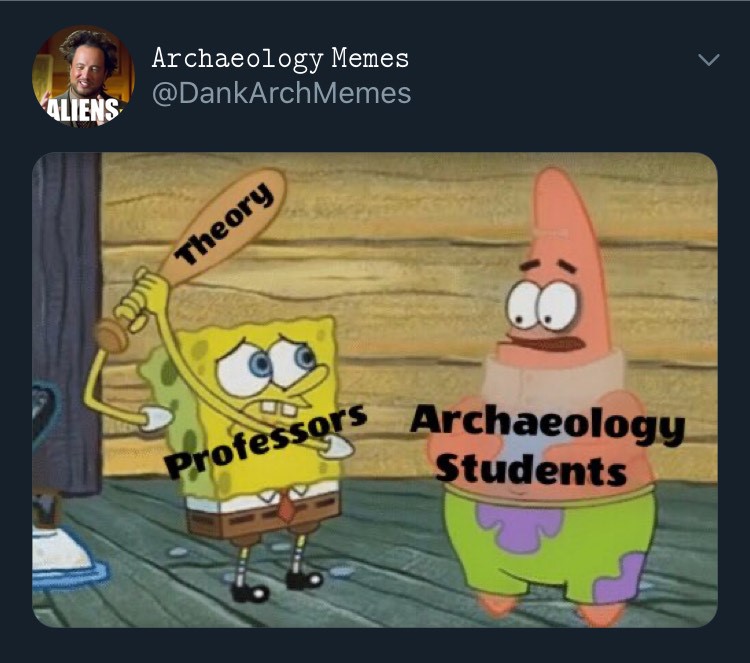
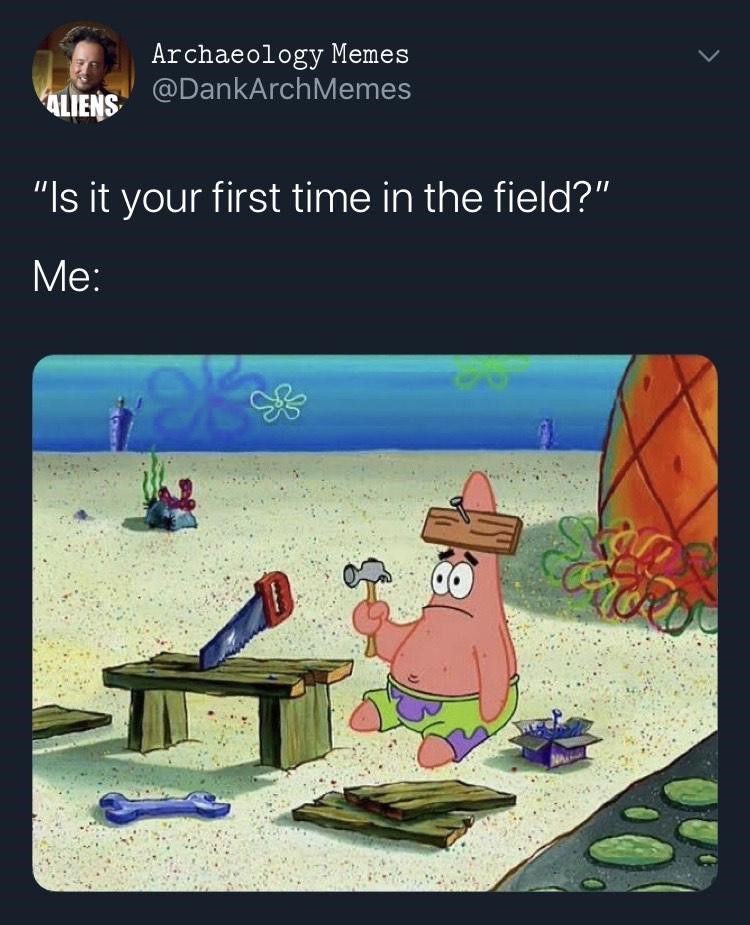
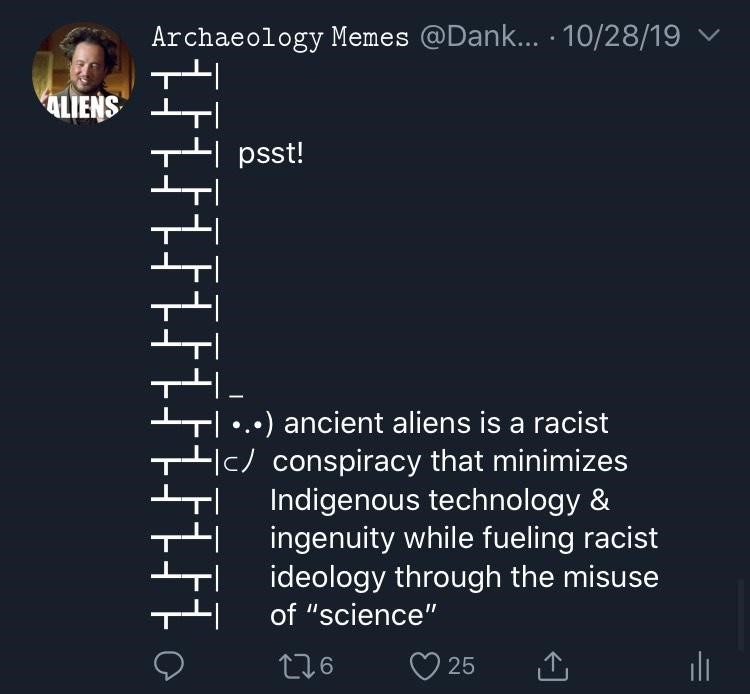
The project involved creating and retweeting humor related posts centered around archaeological and anthropological content using the social media platform Twitter through humorous images, gifs, memes, and textual postings. The Twitter profile and the material produced from the account used well known popular culture images such as SpongeBob SquarePants, the History Channel’s TV Show Ancient Aliens, and other popular social media “meme” images and text.
The methods for creating or editing images were all accessed using a smartphone. Photos that required text to be added onto the image or needed to be customized in some way used photo editing mobile applications. All images used and posted to the account were sourced from twitter users, Reddit, or other internet sources. Because the nature of the account is non-profit, educational, and is not monetized no copyright laws were broken by using or sharing these images.
When creating posts there were certain criteria that were looked for. A few were:
contained popular culture images or symbols
pertained to archaeology or anthropology
could be understood and appreciated by a non-archaeologist public
dispelled common stereotypes or myths pertaining to archaeology
ethical and engaging
allowed for interactive discussion about archaeological concepts or theories
The project involved twice weekly, original postings beginning on September 1st, 2019. This does not include retweets from other accounts, which did not have a limit. They were, however, securitized and held to a higher standard as to not spread false information or misconceptions. The project has no end date and the account will likely be continued to be active in the foreseeable future.
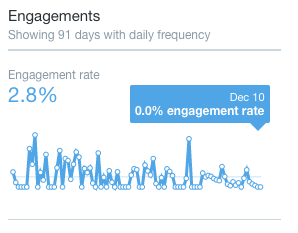
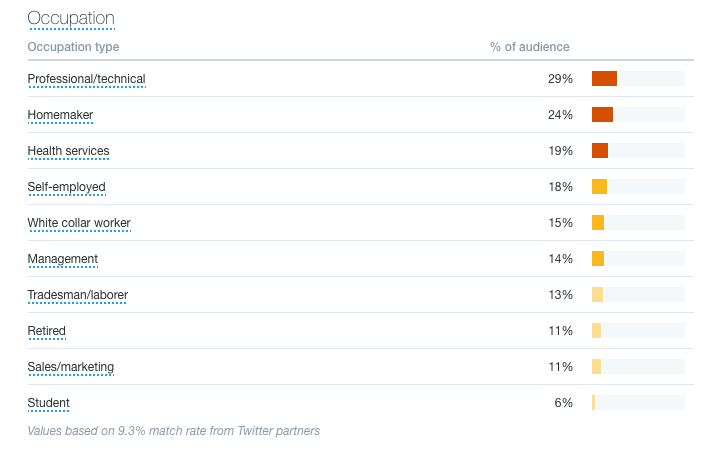
The goal of the project was to engage as many Twitter users as possible, especially younger users and users who work in the field of archaeology, history, and anthropology. Over the course of three months the account has seen rapid growth and success. This progress is assessed by the amount of activity and engagements the Twitter account has accumulated. Over the course of the project, the Twitter account @DankArchMemes has:
gained 303 followers
followed 494 users
posted 34 original tweets
2.8% engagement rate and 67,300 impressions over the course of 91 days
trimmed average of 349 views per tweet
untrimmed average of 1,049 views per tweet
retweeted 144 tweets
liked 247 tweets
one tweet with 888 likes and 190 retweets that has been viewed by over 50,000 Twitter users (3.2% engagement rate)
Ultimately, using humor as a culturally comprehensive mechanism for education and engagement, this project has connected archaeology themes, information, and subject matter to non-archaeologist and archaeologist users across the Twitter platform.
The results from this project is evidence that internet culture and humor can be and should be used by archaeologists to engage with and educate the public. Internet memes are quickly becoming important components of our collective visual culture (the aspect of culture expressed in visual images) and are a means of social bonding. Visual images are also fundamental to “people’s experience of the world around them.” Knowing this, humorous images, gifs, and textual posts should be actively incorporated into archaeological public outreach on social media platforms.
My personal takeaway from this project is that humor and imagery on social media platforms can be a successful means of engagement, education, and interactive discussions of archaeological concepts or history. Not only can it be used for academic and educational purposes, but humor can also be used as a tool for personal connection between archaeologists and non-archaeologists. This will ultimately lead to a more accurate understanding of archaeologists and their work by the public. Through this we can actively dismantle the ivory tower of privilege that archaeology is based.
Don’t forget to check me out on Twitter at @DankArchMemes
References:
Clarke, Catherine
2004 The Politics of Storytelling: Electronic Media in Archaeological Interpretation and Education. World Archaeology 36(2):275-286.
Miller, Daniel
2016 Crafting the Look. In Social Media in an English Village. Why We Post Series Vol. 2. UCL Press, London.
Moshenska, Gabriel
2017 Archaeologists in Popular Culture. In Key Concepts in Public Archaeology, edited by Gabriel Moshenska, pp. 151-165. UCL Press, London
Swinkels, Michiel and Koning, Anouk D.
2016 Introduction: Humour and Anthropology. Etnofoor 28(1):7-10.
Sinanan, Jolynna
2017 Conclusion: Social Media Through Ethnography. In Social Media in Trinidad: Values and Visibility. Why We Post Series Vol. 11. UCL Press, London.
Zappavigna, Michele
2012 The Discourse of Twitter and Social Media: How We Use Language to Create Affiliation on the Web. Continuum International Publishing Group, London.
YouTube is a video sharing platform which allows for people to upload nearly anything they wish. Various genres of content have emerged, whether it be beauty or gaming as well as education channels, which tend to be niche and smaller overall. I decided to combine a few of these communities; education and drag, in attempt to make unique content and appeal to people who frequent both genres. Using YouTube allows for the equalization of access to archaeological information as well as providing a more direct way of engagement by the public.
A major source of inspiration for this project was the channel ContraPoints, created by Natalie Wynn, in which she films videos about politics using drag characters and short sketches to grab attention. Drag is also something I enjoy and find eye catching and it seems to be having a moment within pop culture. The YouTube platform is free to upload to, easily accessible for people and is well known. The target audience was people in their late teens and early twenties and the goal of this project was to give a brief introduction of archaeology in a lighthearted way. Many of the videos on YouTube with an archaeology focus are filmed as if a professor has recorded a lecture over a slide show and are monotoned. I hoped to provide a different experience and be eye catching enough to encourage viewership. A major goal was to stress that paleontology is not a part of archaeology, which I hoped to accomplish by giving examples of what someone from each discipline might seek to answer.
Though many archaeology videos are difficult to watch, there are successful examples of public archaeology projects online. The Brain Scoop, hosted by Emily Graslie, has a view and subscriber count of 2.5 million and 45,000, is primarily focused on natural history and museum work, but in an episode called ‘Mummy Brains’ focuses on mortuary practices of Egypt (Williams and Atkins 2015). The Eliseg Project of England also utilized YouTube to post daily vlogs from 2011 to 2012. Its main goal was to bring the rural site of study into a public view (Williams and Atkins 2015). Though the Eliseg project did not have as great of success as The Brain Scoop, there is an audience present on YouTube for archaeological content.
College level professors who utilize YouTube say they do so because of the wealth of information available, visual examples and free cost (Burk et al. 2009). Most students say they primarily use YouTube for entertainment purposes, but those who do use it for school like it because it is quicker and easier to use than textbooks (Hrastinski and Aghaee 2011).
This project relied on little outside research, though four websites, which I believed had trustworthy reputations, such as PBS and the Smithsonian, were used so that the public would have easy access to them. Two scholarly sources were also utilized which I had prior access to. The links to the websites used were provided in the description for those who were interested in reading such sources themselves as well as the links to four other YouTube which make content directly related to archaeology along with a link to a channel run by an archaeology student. These were intended to make it easier for people who were interested in watching further archaeological content and to give a more direct idea of what some archaeologists do with their work. A series of brief questions were also added in the description to gage the audiences’ prior knowledge, assumptions and interests about archaeology. The video was filmed and edited using the imovie application on an iMac before being uploaded to YouTube. Wig tutorials by Jaymes Mansfield were followed and makeup was loosely based on that of Trixie Mattel. There is no limit of time which this video will remain online, allowing it to be viewed anytime, though December 2nd marks the second day of the video being online.
The video was 15 minutes long and has received 58 views, ten likes and 11 comments, which were the primary means of assessment. YouTube provides a more detailed analytic page, YouTube studio, which is accessible to everyone who posts on the website. Most views were from friends who were told about the video who watched for support. YouTube studio showed that the average watch time is two minutes and thirty seconds, which is up from the minute and a half from two days after its posting. This was most shocking, as I assumed most friends who were told about it would finish it out of politeness. In terms of views, there were 39 individual viewers, meaning that 19 people were repeat viewers. Of the comments, 5 out of 11 were from a single family member and the remaining were from friends offering their support. One person filled out the survey in the description, but this was a person I have discussed archaeology with at length, so her answers did not give particular insight about the general public. Engagement was small as a whole. Aside from many people not watching more of the video, the rest of the engagement levels were not extremely surprising.
In terms of viewership, there were more than expected, but based on view time, most of the viewers watched very little. The amount of comments were similar to what I expected, with few overall and none answering the survey questions in the description. It seems that many people clicked on the video, clicked off and said they watched to be supportive. No one said if they learned any new information, but a few, over personal messages as opposed to commenting, said that it was funny or more interesting than their regular classes, though seeing as they likely didn’t watch the entire video, this is not extremely useful. I would be interested in making more videos to see if they would have better viewership. The greatest change would be the shortening the length, as to discourage people from clicking off as well as making videos focused on specific topics, such as making a video dedicated to explaining the pyramids as opposed to a small section of the larger video.
2009 An Assessment of Faculty Usage of YouTube as Teaching Resource. The Internet Journal of Allied Health Sciences and Practice. 7:1-8
Hrastinski, Stephan and Aghaee, Naghmah C.
2011 How are campus students using social media to support their studies? An explorative interview study. Educ Inf Technol. 17:451-464.
Williams, H. and Atkin, A.
2015 Virtually Dead: Digital Public Mortuary Archaeology, Internet Archaeology 40.
References Cited for the Video
Asch, Nancy B., Richard I. Ford and David L. Asch 1972 Paleobotany of the Koster Site: The Archaic Horizons. Illinois State Museum, Report of Investigation, No. 24. Springfield.
Erickson, Amanda 2011 Outreach and Education in Archaeology. Online Journal in Public Archaeology. 1:45-54
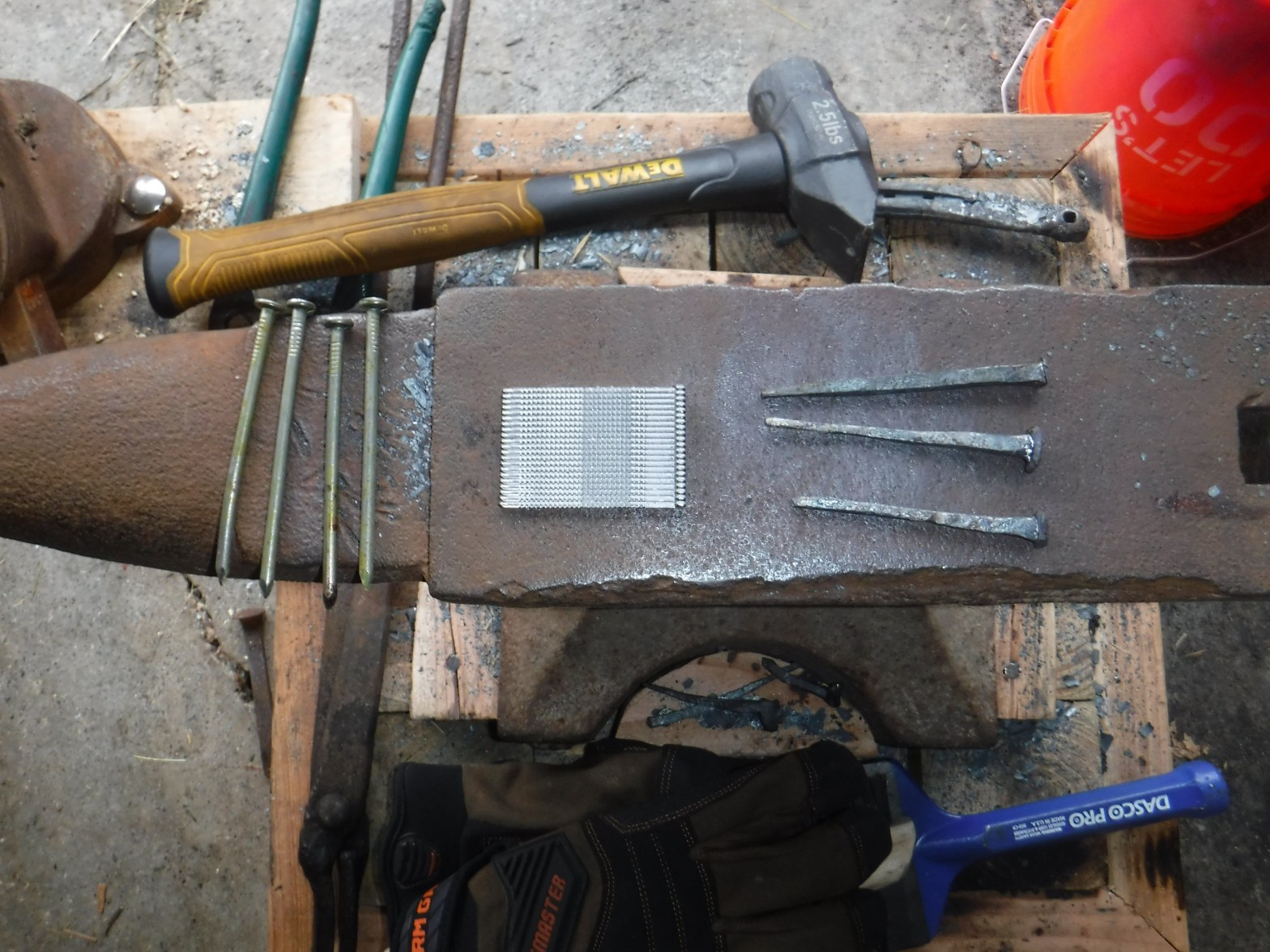
Nail Header- Tool used for putting the round or square head on a handmade nail
Hand Wrought- Nail forged by hand usually made of wrought iron
Type A and Type B nails- first forms of machine-made nails
Wire Nails- Common nails today made by cutting lengths or wire
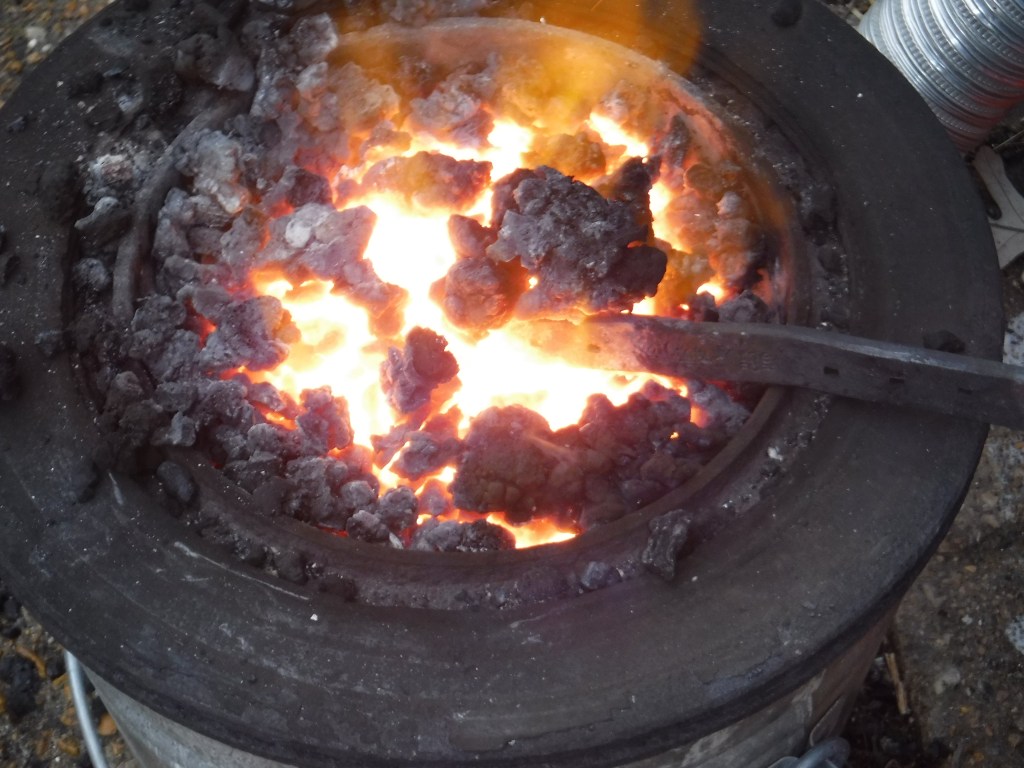
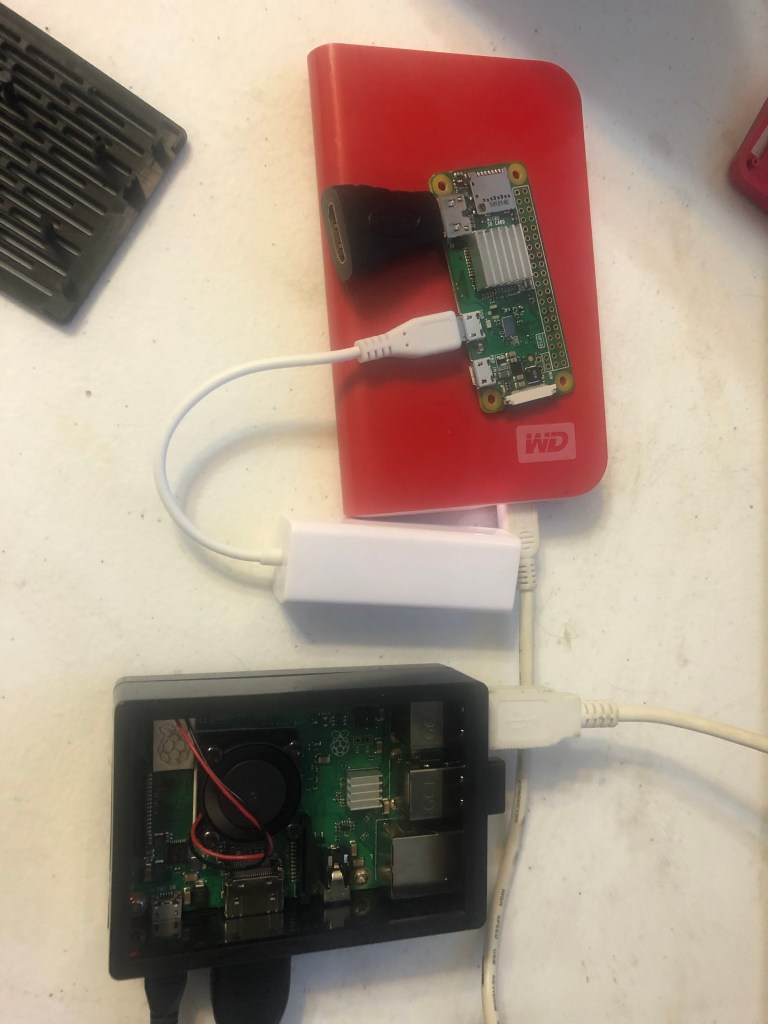
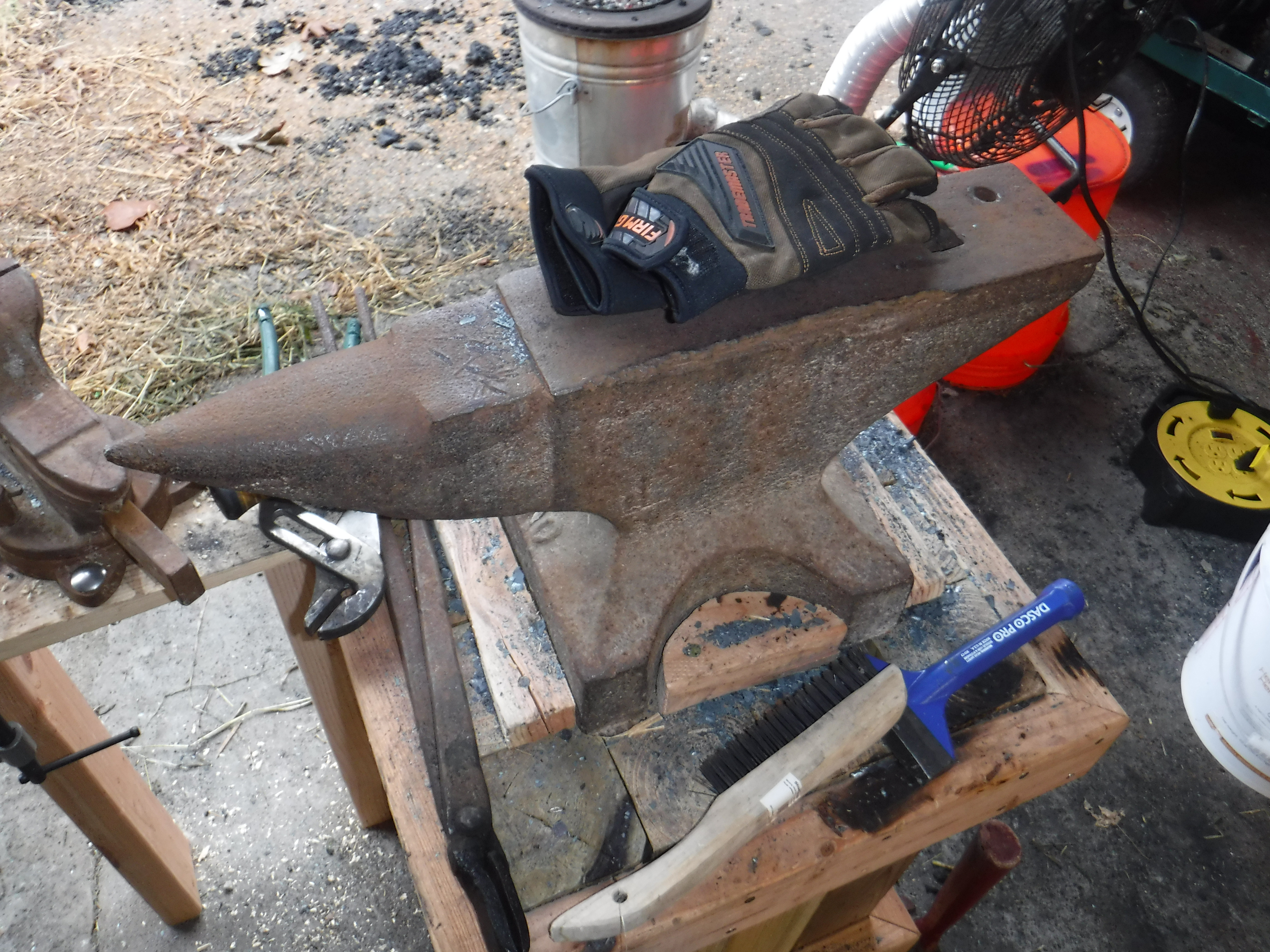
This project is an attempt at outreach in the form of Youtube videos aimed to educate people on the usefulness of nails in archeological research. Nails and other fasteners can be used to date a structure with rather surprising accuracy. I attempted to show and explain the different types of nails through history and explain how that gives us date ranges for structures and additions. I wanted to create a video that would draw attention, so I decided to show the process for creating hand wrought nails. This process is not a simple one for someone who has not done it before, and as such I had many failed attempts, I turned into a blooper reel to hopefully draw in more visitors to the educational video. I also decided it would be a good idea to show how a nail header so I created a third video on the process of creating a header. I also created my own web hosting server from a Raspberry Pi Zero W to store my videos and any future research or outreach.
I used a three step method, I created a web server to host my own site, on that site I posted the videos, and information. the server can also be used in future research and outreach as an open access web platform. I also posted the videos to Youtube which is a rather popular platform.
I used archeological studies done by both MSU and UVM for the information I provided in my videos. The MSU campus archeology program gave me the knowledge I needed on the different types of nails and provided me with the link to the UVM article on nails as well.
The UVM article had information on the specific dates of when different types of nails were used. The article also led me towards learning that Type B nails are the nails used in the installation of hardwood flooring. As a contractor I already had some flooring nails in my garage that I was able to use in my video.
Kimmels video with the cloverfields preservation foundation gave me the instruction on how nails can be used to date additions and restorations on a structure. The video also explained the methods of making the nails in slightly better detail than the previous articles.
The idea behind creating the videos was to reach the age demographic that commonly looks up how to videos on YouTube. I also wanted to create my own website to host my videos and pictures. I believe the web server I created will be a good future tool for hosting data and keeping research open to everyone.
The first video I created was of the successful attempt I had at creating a nail. It took me over a dozen attempts before I finally had a few successes. I used text overlay to inform about the processes I used to create the nail, as well as the history of nails. This helped me to show how nails can be used to date structure and structural additions. In the descriptions of the video I left links to my site, my other videos, and all of my citations.
My second video is a blooper reel, as I mentioned I had several failed attempts, so it left significant room for videos of my failures. This was less educational; However, I included it since I added links to my other videos in an effort to use this as a draw to my other links.
My third video is of me creating the nail header. The header is the tool used to create the head of the nail. I had to create my own in order to complete this project, so I thought adding a video of that process, as well as adding some information on how the header and nails help archeologists would be a good source of outreach. This video shared a lot of the detail of what nails teach archeologists as well. As this was the last video I created I was more adept at the editing software and was able to include significantly more information.
The creation of the videos, and the number of failed attempts I had before I created a successful nail left me with less time than expected. The video editing software was also new to me. Because of this I haven’t had my videos up for very long yet; However, I hope their will become more successful as time progresses. My goal is to reach 20-40 year old Youtube views. I believe the blacksmithing approach that I used will be good for that means. I also did an instructional video as I believe that is more geared towards that age group. The last attempt I made to appeal to the demographic is with music choices from the 80-90s as background for my videos. I was able to receive around 2 views per video so far, and I believe that because my videos are now permanently on the internet the project has the potential to reach many more.
Art pieces in a culture or community can mean more than just an expression of emotion or world view, but also an object that people may in everyday life. Artifacts can also be used in religious rituals and can convey beliefs. Artwork can also convey role in a community, ranking, or social status that the owner may be. So when analyzing these pieces of art and archaeologists can use them to learn more about a culture (Anthropology of Art). When thinking about how to interest the public more with my project I thought to incorporate art history. I thought it would appeal to a greater audience and would be an interesting take on the topic of archaeology. I also feel as though you can learn a lot about a time period and/or culture from an artwork. My target audience was my peers and people my age. I shared all my blog posts on social media and used language that would be an easy read. I didn’t want people to be turned away with “scholarly vocabulary” or to come off pretentious. I wanted this outreach project to feel welcoming and intriguing to people who may not know a lot about archaeology.
I chose to carry out my project out on WordPress.com and brand my blog as “Art & Arch”. I wanted to choose a fun, simple, and catchy name to not only be welcoming, but also memorable. My main goal with my blog posts is to help connect the dots between art history and archaeology. I wanted to discuss recent discoveries, what we can learn from an artwork, artwork and indigenous peoples rights, art restoration, and much more. I planned on making blog posts starting on October 7th – December 2nd, every Monday. After my blog post I would share my website on all my social media accounts to help gain traffic and to advertise to my goal audience.
My goal was to post 9 blog posts in total every Monday. Whenever I researched more about blog posts and how to properly write one and what length to make them. I found that the reader usually like around a 7 minute read, estimating around 1,600 words per post. I quickly realized that I did not have enough time with a full time job and being a full time student to write a good quality post every week. I then decided to write a post every other week and in the off week share a piece of current events in archaeology and art history. I chose this to help make all these facts and posts seem relevant to today’s conversation. I made 4 blog posts in total and 4 current event posts. I assessed the success of my project by an online survey posted across my social media accounts. Out of the 63 responses 11 (17.46%) people said they had read majority/all my posts on my website. I also asked: After reading my posts how interested are you in learning more about archaeology? In which 23 (36.51%) people said they were interested in learning more. I think my project was a small victory and a step in the right direction. Over a third of people who took my survey said they are interested in learning about archaeology. I never had a specific goal in my project besides engaging my peers and the public, so I consider this a success. Overall, I enjoyed this project, the results, and sharing some information about archaeology. I learned that social media is a great way to spread information. I feel as though it is an effective way to engage a younger audience. I also learned it takes a lot of dedication and work to make good quality content to share consistently. I would however change and suggest a few changes for others in the future. I would suggest giving yourself to be at least 1 week ahead of posting. It can be stressful to post every single week and have the time to publish content. I also wish I had started my project at the start of the semester. I feel as though I just started posting and that I have so much information and questions I wanted to answer and discuss. In saying that, I really enjoyed posting and having my peers giving me feedback.
Public archaeology is now considered an ethical practice among archaeologist. It is no longer good enough to report finding in archaeological journals that the public can neither access nor fully understand. With the internet and other tools at our disposal, allowing us to reach many people at once, not keeping the public informed on publicly funded archaeological projects is no longer considered acceptable. The archaeological community is smaller in comparison to other academic field and it is common to work in an echo chamber. Archaeologists, work, reference, confer, and write for other archaeologist, largely ignoring the public. A public who over half the archaeological research happening in the United Stated. To abide by this new standard of ethics and break through my own personal echo chamber I began a blog introduce interested members of the public to archaeology and discuss north American time periods through prehistory.
The intended audience for the blog was adults with little to no previous knowledge of archaeology. The goal of the project was to introduce and educate interested members of the public on the basic chronology of the North American prehistory, highlighting the comprehensive, and complex culture of each temporal component.There is an unfortunate and inaccurate stereotype that the lives of Native Americans were short, brutal, and lacking complex culture. With this project I wanted to bring awareness to the public about the rich and complex lives lived by Native Americans before the destruction that came with the arrival of Europeans to North America.
Methods
The platform that I chose for my blog was WordPress. Though continually pressured by the site to upgrade, I chose the free rather than paid blog platform. In hindsight, this may have limited the success of my project. My first struggle was selecting a suitable name for my blog, as my choices were limited. As such I feel the domain name was not the most suitable for my chosen theme and may not have drawn in as many viewers as other options. In the end, my project my blog consisted of six total posts. The first post was an introduction where I discussed the purpose of my blog and gave a brief history of my own archaeological experiences. The second post was an overall discussion of archaeology where I talked about the definition of archaeology and the premise behind terms such as historic and prehistoric. I also discussed how archaeologists use the word ‘time period’ to refer to distinct cultural periods throughout history. My next four posts were focused on the Paleoindian, Archaic, Woodland and Mississippian periods. For these posts I discussed the various lifestyles, technologies, significant sites, monumental building, and settlement patterns for each of the four periods.
Results
With the analytics provided by their site I was able to learn who visited my site, when, and where they were from. Valuable feedback for any public outreach project. I received a total of ten views from seven visitors, giving three ‘likes’, spanning across four countries. According to the WordPress analytics my home page received four views, and three views each on my Archaic and Mississippian period posts. My Paleoindian, Archaic, and Mississippian period posts each received a single ‘like’. Despite these small numbers, I still managed to reach several countries including the United States, Canada, the United Kingdom, and strangely enough, Thailand. My blog was the most successful on November 18th when my Archaic period post received two views; the only day my blog was accessed more than once a day.
Discussion
Certain portions of this project were more successful than others. My target audience was people who were interested in, but not trained in archaeology. Of the three people who liked my blog posts, one was an archaeology-based blog, one was on the history of Europe, and the other was a blog about creating modern pottery. WordPress analytics only supplies information on who interacts, not just views blog posts, so I have no information on the other views from the public. The two history/archaeology-based views likely had a periphery knowledge of archaeology; however, I think it likely that the pottery-based blog was unfamiliar with the field of archaeology and may have been found my blog post informative.
I had several failures within this project. I was unprepared for the learning curve on how to host a blog on WordPress. My lack of familiarity with the process as well certain aspects of the website, delayed the blog itself and several posts remained in draft form for several days before I noticed they were not yet public. I was also unprepared for emails I received from WordPress itself telling me how much better my blog would be, and how many more people would see it, if I just upgraded to a premium account.
However, during this process I learned many things that will help ensure future projects like this are more successful. In addition to publication delays, I believe I received few hits on my blog, not necessarily because it was bad, but because a medium such as this needs more time to gain traction. The more posts a blog has, the more interesting the site become to the viewer. As such, this was not the best platform for such a short-term project where there was little time to grow an audience. In addition, for blogs to be more successful, future blogs should have more dynamic and interactive content. As I was unfamiliar with the blog process, I only used pictures and text, but I believe a blog with more videos and interactive content would be more attractive to the viewers
Conclusion
My blog would not be considered a success as it reached so few members of the public. However, without the data mining provided by WordPress I would not have known that the few interactions I had were from across the world. Though small, I still believe my blog made an impact. Site analytics indicate at least one person without an archaeology-themed blog saw my post. Though the effort that went into the blog may not seem worth it for one view, that one person may tell others about their new-found knowledge, causing a ripple effect of other people becoming interested in archaeological topics. Breaking free of the academic bubble is important for archaeologists and learning on how to engage the public in archaeological topics is a process, and certain failures are inevitable. However, helping to keep the public informed on archaeological topics will continue to reinforce the usefulness of archaeology as a field.
This Public Archaeology project focuses mostly on archaeology site preservation, site access, and education outreach. I used my BioArch field school to design an outreach event to teach the public about what exactly archaeology is and what exactly archaeologists do.
Background
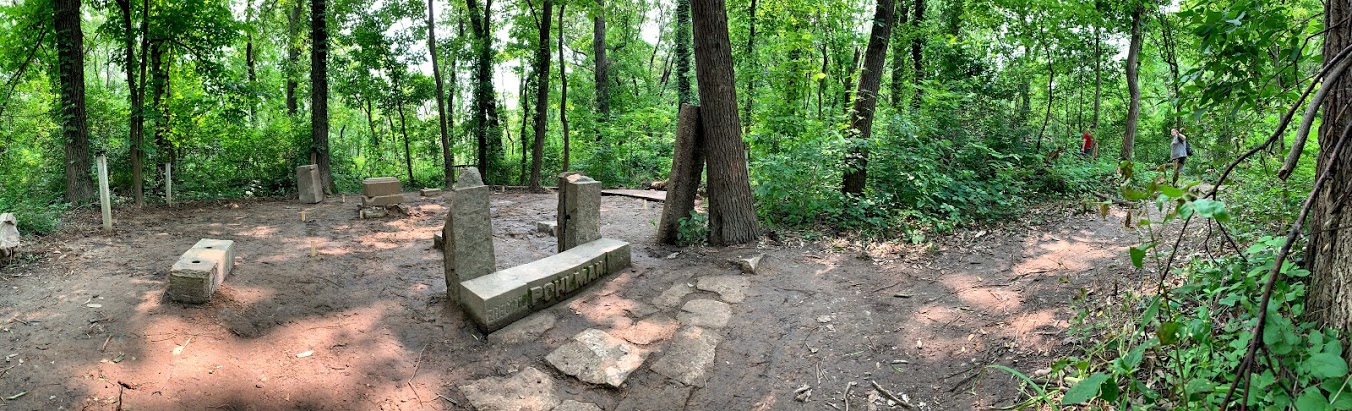
Not all archaeological sites are ancient ruins, buried cities, or earthen mounds. I spent six weeks learning forensics and biological anthropology and excavated in cemeteries and I thought that would be a great topic to present to the Edwardsville, Illinois residents in order to teach them the basics of archaeology.
Methods
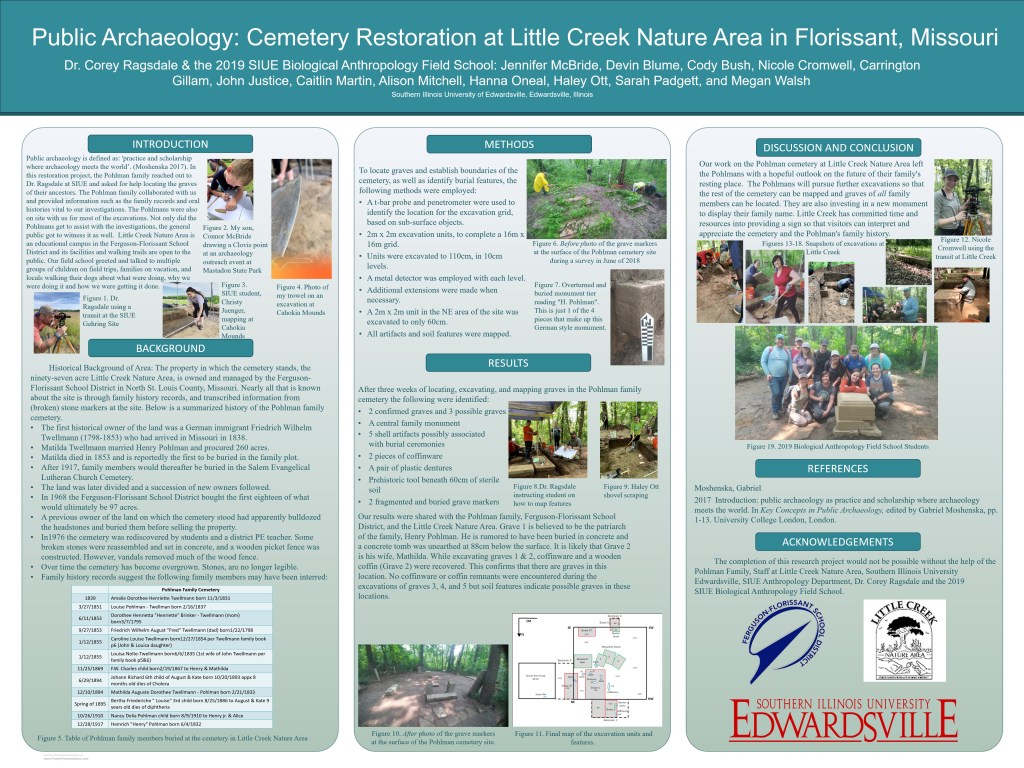
I summarized my bioarchaeology field school into a poster to present to the public in an attempt to generate interest about local archaeology and educate the public about:
what archaeologists do
why archaeology is important
who does archaeology
where archaeology can be done
and how archaeology is done
The poster I designed for the outreach events at Recess and on campus at SIUE.
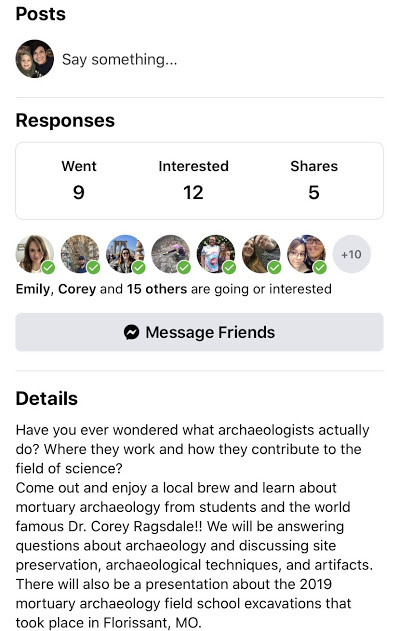
A Facebook event was created to generate more interest and advertisement of the event. I called it “Archaeology on Tap” (event name credit goes to Dr. K).
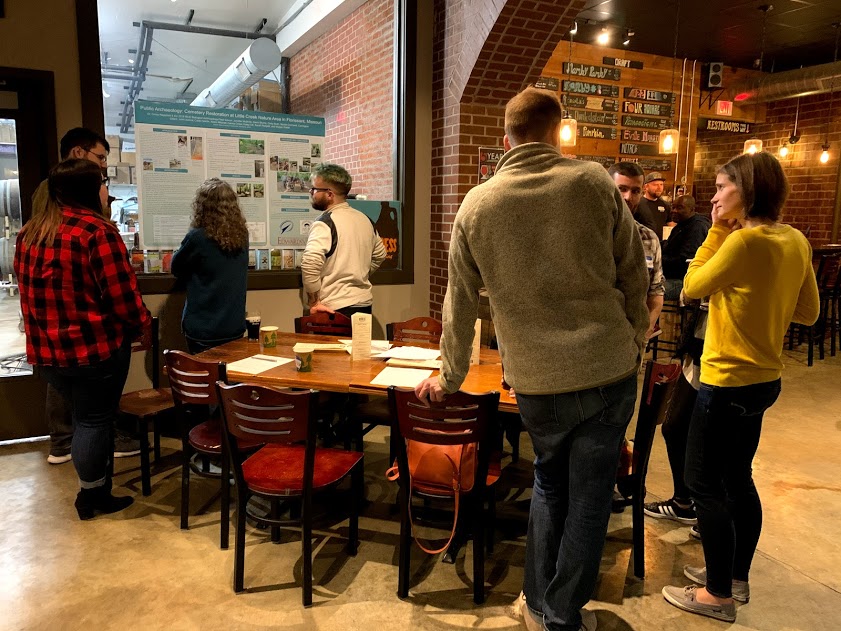
Along with the poster, I also invited students and my professor that participated in the field school with me. We met in the early evening on a weekday at a local brewery, Recess Brewing, set up the poster, put on name tags and grabbed a beer. Our goal was to welcome people to check out the poster and to have a casual conversation with them about archaeology. Interactions like this can help to combat misinterpretations about the science of archaeology and to generate more interest in the field.
Dr. Julie Zimmermann of SIUE check out the poster with students and alumni while Dr. Corey Ragsdale and Dr. Kooiman mingle with friends and answer questions by Recess patrons.
I also took advantage of the opportunity to have the Edwardsville community take a survey that we designed in class. This survey was designed to give us an idea of what kind of community archaeology project the Edwardsville population would be interested in.
Results
The Facebook event did work in boosting the publicity of the event, however, less than ten of the people in attendance had heard about it through FB. The majority of attendees were students/faculty from SIUE or family members of sudents/faculty. Patrons of Recess were more interested in interacting with us in the first hour of our arrival (5pm-6pm) than they were later in the evening (6pm-9pm). Twelve of the community interest surveys were completed by and submitted for our research. I also was handed a hand-written list on a napkin of old cemeteries in the Edwardsville area that I may be interested in. That was a fine example of how community knowledge of the local history could contribute to a research project.
Conclusion
Overall, I think the entire project was a success because it taught me, the student, how to make archaeology interesting and marketable to the general public. This entire Public Archaeology course has taught me the multiple ways in which non-archaeologists interpret, interact, and contribute to the science of archaeology.
I am confident that if I designed this project again it would have better results because I would make changes like: advertise the outreach sooner and on multiple platforms, bring along artifacts for people to handle, view, and ask questions about, and I would have made the event on a weekend when more people have free time to attend.
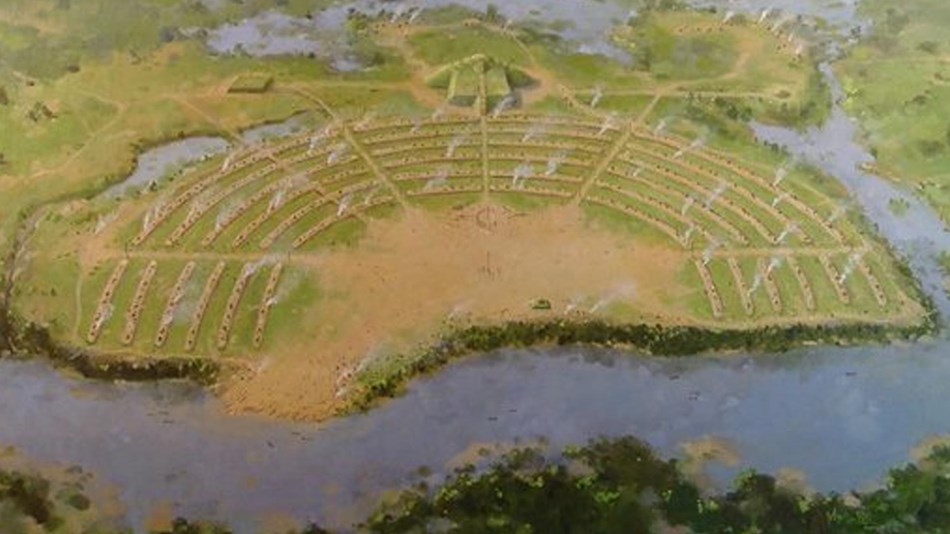
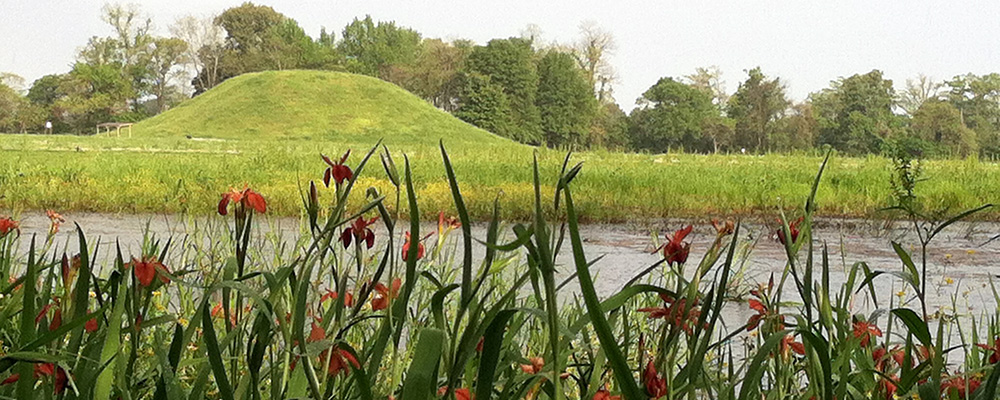
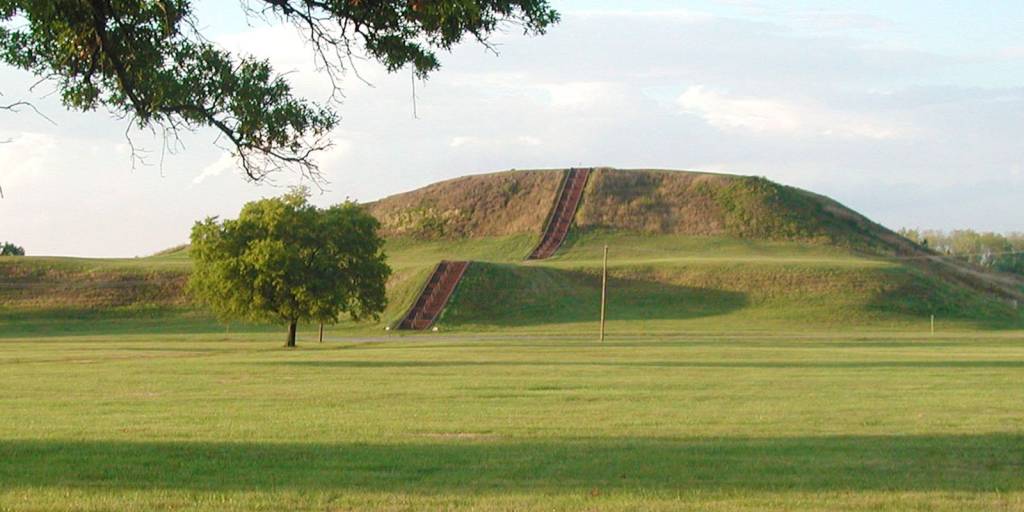
In July pf 2019 Representative Mike Bost of Illinois’s 12th district submitted a bill to Congress propose to make Cahokia Mounds a unit of the National Parks System. To gauge public suppose for this proposal I spends a day at the Cahokia interpretative center talking with public and handing out surveys. Most people in the area are at least familiar with Cahokia in a passing sense, many having gone there as school children. However, many of those people are unaware that Cahokia is still a state park and managed as one.
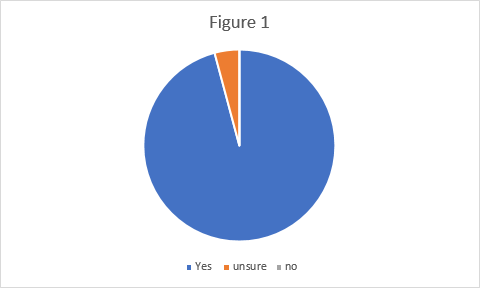
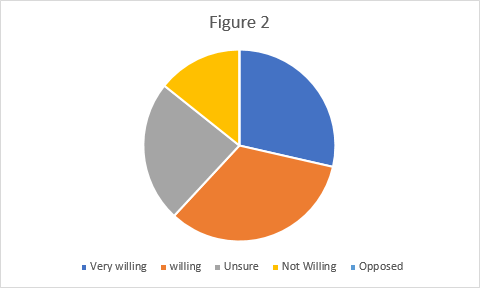
The director of Cahokia Mounds, Lori Belknap, was kind enough to allow me to set p a table for a Saturday to pass out my surveys and interact with the public. The survey contained only two simple questions: “Do you support Cahokia Mounds becoming a unit of the National Parks System” and “How willing would to be to contact your representative about this issue?” Over the course of the day only 24 surveys were completed but many more people chose to talk to me, declining the survey when asked.
A total of twenty-four surveys were handed out and successfully filled out. This was short of the hopeful goal of 100 but expected after a conversation with Lori explained the previous problems getting numbers of surveys done by others. Though these responses do give a good insight into the publics feeling. Twenty-three of the twenty-four responds were in favor of Cahokia becoming a National Park. There was a single response of response of unsure was given giving results of 96% in favor with 4% unsure and none being opposed (see figure 1). Such a high rate of suppose is exciting to see but the bias of location must still be considered as a possible explanation.
The second question had slightly wider reaching results but were unsurprising considering the first question. This question asked visitors their willingness to contact the representatives in Congress. Out of the twenty-four surveys collected six were very willing, seven were willing, five were unsure, three were not willing and none were opposed (see figure 2). Three were not able to be transcribed for different reasons: One simply was not filled out, one was from a visitor who was not a resident of the United States and the last was from someone who did not believe they could contact their representative as they did not live in the area
These results suggest a strong public support for Cahokia joining the National Parks Club, even if that pubic isn’t necessarily as willing to call congress to show their support. This might just suggest what we are like as Americans, as one of the one that could not be transcribed was very willing to contact their representatives but happened to live in Sweden.
Interactions with the public gave a lot of reasons why people would suppose the idea. Some wanted to see increased funding for research or public outreach. Many wanted to see more reconstructions as has been done with palisade walls at certain places on the site. There was however input from the public that I was unprepared for. As the bill is still currently in committee many details are still be hammered out. Most of the people I talked to during my day wanted to know specifics of what the changes would be, how the site and staff wold be impacted. I wish I would have been able to answer their questions better but unfortunately the process is still to early on to be sure of what the end product may look like.
Ultimately no matter what happens with its status Cahokia and its staff will continue to excellently serve the public. The numbers collected in this survey though leads me to believe that the public does broadly support the Cahokia being elevated to the status of National Park. From the interactions I had off survey these most likely stems from the fond feelings people have for the site that many developed in their early years. Some remember visiting as children and for many the potential research and outreach that can be accomplished make the site worth it alone.
 SIUE Public Archaeology