by Katie L.
https://archaeologyhouses.home.blog/
Introduction
Public archaeology is now considered an ethical practice among archaeologist. It is no longer good enough to report finding in archaeological journals that the public can neither access nor fully understand. With the internet and other tools at our disposal, allowing us to reach many people at once, not keeping the public informed on publicly funded archaeological projects is no longer considered acceptable. The archaeological community is smaller in comparison to other academic field and it is common to work in an echo chamber. Archaeologists, work, reference, confer, and write for other archaeologist, largely ignoring the public. A public who over half the archaeological research happening in the United Stated. To abide by this new standard of ethics and break through my own personal echo chamber I began a blog introduce interested members of the public to archaeology and discuss north American time periods through prehistory.
The intended audience for the blog was adults with little to no previous knowledge of archaeology. The goal of the project was to introduce and educate interested members of the public on the basic chronology of the North American prehistory, highlighting the comprehensive, and complex culture of each temporal component.There is an unfortunate and inaccurate stereotype that the lives of Native Americans were short, brutal, and lacking complex culture. With this project I wanted to bring awareness to the public about the rich and complex lives lived by Native Americans before the destruction that came with the arrival of Europeans to North America.
Methods
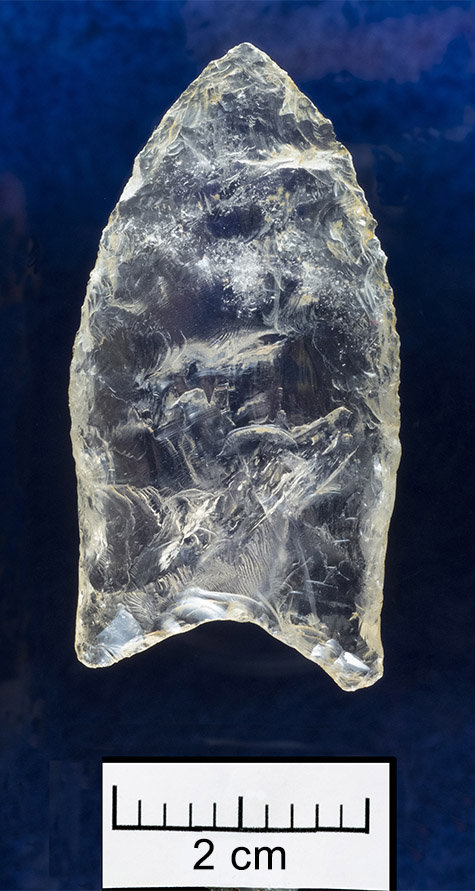
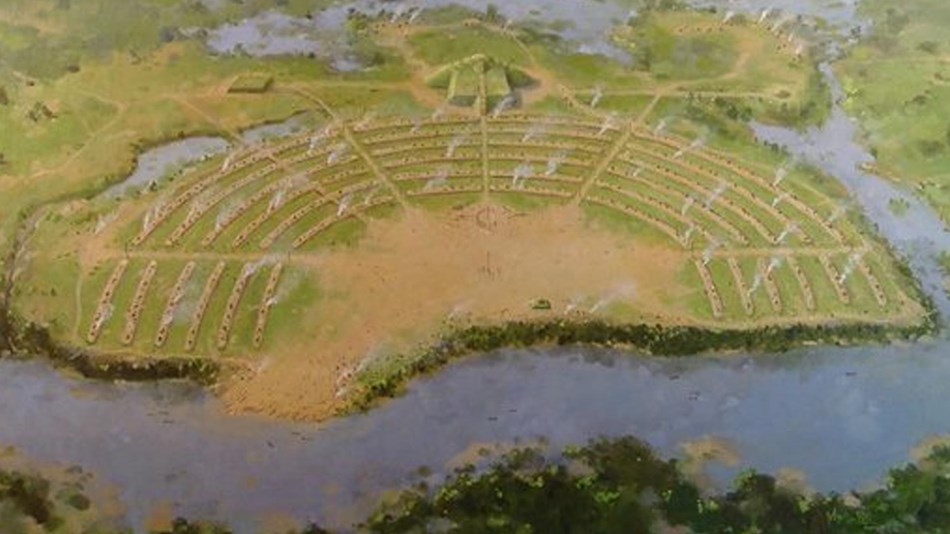
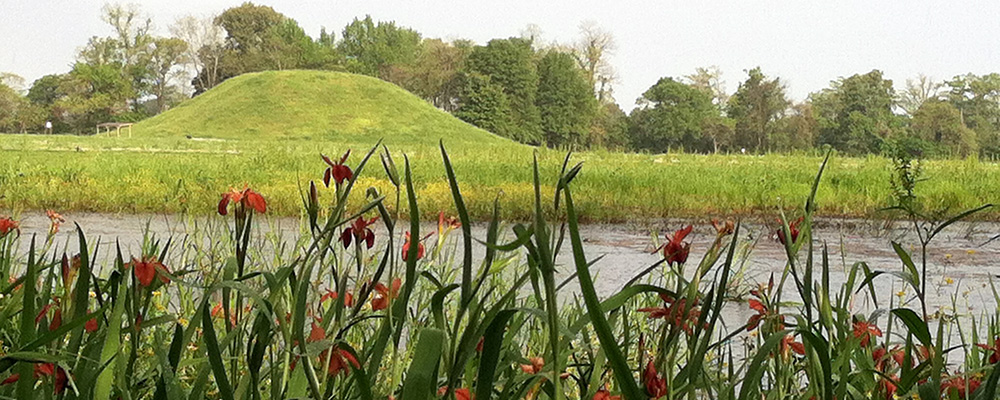
The platform that I chose for my blog was WordPress. Though continually pressured by the site to upgrade, I chose the free rather than paid blog platform. In hindsight, this may have limited the success of my project. My first struggle was selecting a suitable name for my blog, as my choices were limited. As such I feel the domain name was not the most suitable for my chosen theme and may not have drawn in as many viewers as other options. In the end, my project my blog consisted of six total posts. The first post was an introduction where I discussed the purpose of my blog and gave a brief history of my own archaeological experiences. The second post was an overall discussion of archaeology where I talked about the definition of archaeology and the premise behind terms such as historic and prehistoric. I also discussed how archaeologists use the word ‘time period’ to refer to distinct cultural periods throughout history. My next four posts were focused on the Paleoindian, Archaic, Woodland and Mississippian periods. For these posts I discussed the various lifestyles, technologies, significant sites, monumental building, and settlement patterns for each of the four periods.
Results
With the analytics provided by their site I was able to learn who visited my site, when, and where they were from. Valuable feedback for any public outreach project. I received a total of ten views from seven visitors, giving three ‘likes’, spanning across four countries. According to the WordPress analytics my home page received four views, and three views each on my Archaic and Mississippian period posts. My Paleoindian, Archaic, and Mississippian period posts each received a single ‘like’. Despite these small numbers, I still managed to reach several countries including the United States, Canada, the United Kingdom, and strangely enough, Thailand. My blog was the most successful on November 18th when my Archaic period post received two views; the only day my blog was accessed more than once a day.
Discussion
Certain portions of this project were more successful than others. My target audience was people who were interested in, but not trained in archaeology. Of the three people who liked my blog posts, one was an archaeology-based blog, one was on the history of Europe, and the other was a blog about creating modern pottery. WordPress analytics only supplies information on who interacts, not just views blog posts, so I have no information on the other views from the public. The two history/archaeology-based views likely had a periphery knowledge of archaeology; however, I think it likely that the pottery-based blog was unfamiliar with the field of archaeology and may have been found my blog post informative.
I had several failures within this project. I was unprepared for the learning curve on how to host a blog on WordPress. My lack of familiarity with the process as well certain aspects of the website, delayed the blog itself and several posts remained in draft form for several days before I noticed they were not yet public. I was also unprepared for emails I received from WordPress itself telling me how much better my blog would be, and how many more people would see it, if I just upgraded to a premium account.
However, during this process I learned many things that will help ensure future projects like this are more successful. In addition to publication delays, I believe I received few hits on my blog, not necessarily because it was bad, but because a medium such as this needs more time to gain traction. The more posts a blog has, the more interesting the site become to the viewer. As such, this was not the best platform for such a short-term project where there was little time to grow an audience. In addition, for blogs to be more successful, future blogs should have more dynamic and interactive content. As I was unfamiliar with the blog process, I only used pictures and text, but I believe a blog with more videos and interactive content would be more attractive to the viewers
Conclusion
My blog would not be considered a success as it reached so few members of the public. However, without the data mining provided by WordPress I would not have known that the few interactions I had were from across the world. Though small, I still believe my blog made an impact. Site analytics indicate at least one person without an archaeology-themed blog saw my post. Though the effort that went into the blog may not seem worth it for one view, that one person may tell others about their new-found knowledge, causing a ripple effect of other people becoming interested in archaeological topics. Breaking free of the academic bubble is important for archaeologists and learning on how to engage the public in archaeological topics is a process, and certain failures are inevitable. However, helping to keep the public informed on archaeological topics will continue to reinforce the usefulness of archaeology as a field.
 SIUE Public Archaeology